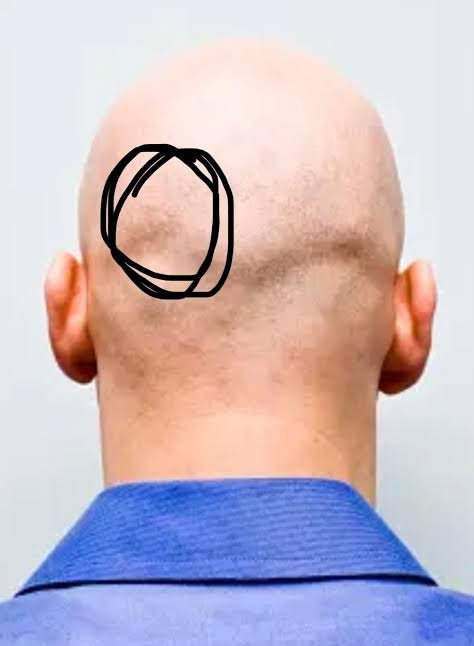
I Have Intense Pain in the Back of My Head. Is This Something Dangerous?
Experiencing intense pain in the back of your head can be frightening, especially when the pain appears suddenly or feels unusually severe. In many cases, pain in this area is caused by common problems such as muscle tension, stress, poor posture, dehydration, or a headache disorder. However, severe or unusual head pain can sometimes be a warning sign of a serious medical condition and should not be ignored.
Common Causes of Pain in the Back of the Head
There are several possible causes of pain at the back of the head. One of the most common is a tension headache, which may feel like pressure, tightness, or a dull ache around the head and neck. Stress, lack of sleep, prolonged screen use, and poor posture can contribute to this type of headache.
Another possible cause is neck muscle strain. Spending long periods looking down at a phone or computer can place extra pressure on the muscles and joints of the neck, sometimes causing pain that spreads toward the back of the head.
Some people may also experience occipital neuralgia, a condition involving irritation of nerves in the back of the head. This can cause sharp, shooting, burning, or electric-shock-like pain.
Other possible triggers include dehydration, lack of food, excessive caffeine, migraine, sinus problems, or an injury to the head or neck.
When Can a Headache Be Dangerous?
Not every headache is dangerous. However, certain symptoms require urgent medical attention.
Seek emergency medical care if your severe headache:
- Starts suddenly and reaches maximum intensity within seconds or minutes
- Is the worst or most severe headache you have ever experienced
- Occurs after a significant head injury
- Is accompanied by weakness, numbness, difficulty speaking, confusion, fainting, or difficulty walking
- Occurs with a high fever and a stiff neck
- Is accompanied by repeated vomiting, seizures, or severe vision problems
- Is new, unusually severe, or rapidly getting worse
These symptoms can sometimes occur with serious conditions such as bleeding in or around the brain, stroke, infection, or other neurological problems.
What Should You Do?
If the pain is mild and you have no warning signs, resting in a quiet environment, drinking enough water, getting adequate sleep, and avoiding prolonged screen use may help. Gentle relaxation of the neck and shoulders can also be useful if muscle tension is contributing to the pain.
However, you should not try to diagnose the cause yourself if the pain is intense, persistent, recurring, or different from your usual headaches. A healthcare professional can assess your symptoms, medical history, and neurological function to determine whether further testing is necessary.
Final Thoughts
Pain in the back of the head is often caused by relatively common problems such as tension, neck strain, or migraine. Nevertheless, sudden, extremely severe, or unusual head pain can be a medical emergency.
If your headache is intense or accompanied by neurological symptoms, fever with a stiff neck, loss of consciousness, seizures, severe vomiting, or other concerning symptoms, seek urgent medical attention rather than waiting for it to improve.
If you are currently experiencing a sudden and extremely severe headache, especially one that feels like the worst headache of your life, seek emergency medical care immediately.
Intense Pain in the Back of the Head: Causes, Warning Signs, and When to Seek Medical Help
Meta Description: Intense pain in the back of the head can have many causes, including tension headaches, neck problems, migraines, and nerve irritation. Learn about common causes, warning signs, treatment options, and when a severe headache may require urgent medical attention.
Intense Pain in the Back of the Head: Is It Dangerous?
Experiencing intense pain in the back of your head can be alarming. Sometimes, this type of headache is related to everyday problems such as stress, muscle tension, dehydration, poor posture, or lack of sleep. In other situations, however, severe pain may indicate a condition that requires prompt medical evaluation.
The location and intensity of a headache alone cannot determine whether it is dangerous. Other factors—such as how suddenly the pain started, how long it lasts, whether it is getting worse, and whether other symptoms are present—are also important.
If you suddenly develop an extremely severe headache, particularly one that reaches maximum intensity within seconds or minutes, you should seek emergency medical care.
Common Causes of Pain in the Back of the Head
1. Tension Headache
Tension headaches are among the most common causes of head pain. They can produce a dull, aching, or pressure-like sensation and may affect the back of the head, temples, forehead, or neck.
Stress, fatigue, poor sleep, prolonged computer or phone use, and muscle tension may contribute to these headaches.
2. Neck Strain and Poor Posture
The muscles and joints of the neck are closely connected with structures around the back of the head. Sitting for long periods, looking down at a smartphone, sleeping in an awkward position, or maintaining poor posture can strain the neck.
This may cause pain that begins around the neck and spreads upward toward the back of the head.
3. Migraine
Although migraines are often associated with pain on one side of the head, they can sometimes cause pain in other areas, including the back of the head.
Migraine symptoms may include throbbing pain, nausea, vomiting, and sensitivity to light or sound. Some people also experience visual changes or other symptoms before the headache begins.
4. Occipital Neuralgia
Occipital neuralgia occurs when the nerves that travel from the upper neck toward the back of the scalp become irritated.
The pain may feel sharp, burning, stabbing, or like an electric shock. It can sometimes occur on one side or both sides of the back of the head.
5. Dehydration and Lack of Sleep
Not drinking enough fluids or getting inadequate sleep can trigger headaches in some people. Skipping meals, excessive caffeine, and changes in normal sleep patterns may also contribute to head pain.
Addressing these factors may help when they are the underlying trigger.
When Is a Headache a Medical Emergency?
Most headaches are not caused by life-threatening conditions. However, certain warning signs should never be ignored.
Seek emergency medical attention if a severe headache:
- Starts suddenly and becomes extremely painful within seconds or minutes
- Is the worst or most severe headache you have ever experienced
- Begins after a serious head injury
- Is accompanied by weakness or numbness, particularly on one side of the body
- Causes difficulty speaking, understanding, walking, or maintaining balance
- Occurs with confusion, fainting, or loss of consciousness
- Is accompanied by a seizure
- Occurs with a high fever and stiff neck
- Causes severe or sudden vision problems
- Is accompanied by repeated vomiting or rapidly worsening symptoms
These symptoms can occur with serious neurological or other medical conditions and require urgent assessment.
What Does a Sudden Severe Headache Mean?
A headache that suddenly becomes extremely severe is sometimes called a thunderclap headache. It can reach peak intensity very quickly and may feel dramatically different from an ordinary headache.
A thunderclap headache can have several causes, some of which are potentially life-threatening. For this reason, a person experiencing a sudden, severe headache should not simply wait for the pain to disappear.
Emergency medical evaluation is particularly important if the headache occurs with neurological symptoms, fainting, vomiting, fever, neck stiffness, or vision problems.
How Is the Cause of Head Pain Diagnosed?
A healthcare professional may ask questions about:
- When the pain started
- How quickly it developed
- Where the pain is located
- What the pain feels like
- How severe it is
- How long it lasts
- Whether it has happened before
- Whether there are other symptoms
- Recent injuries, illnesses, medications, or lifestyle changes
A physical and neurological examination may also be performed. Depending on the symptoms and medical history, a doctor may recommend additional tests or brain imaging.
How Can Mild Head Pain Be Managed?
If the headache is mild, familiar, and there are no warning signs, some basic measures may help:
Stay Hydrated
Drink adequate fluids, particularly if you may not have consumed enough water during the day.
Get Enough Rest
Poor sleep can contribute to headaches. Maintaining a regular sleep schedule may help reduce headache triggers.
Take Breaks From Screens
Long periods of looking at a phone or computer can contribute to neck and eye strain. Taking regular breaks and maintaining a comfortable posture may help.
Relax Your Neck and Shoulders
If muscle tension is contributing to the headache, gentle relaxation and appropriate stretching may help.
Avoid Known Triggers
Some people notice that stress, skipped meals, caffeine changes, bright light, or lack of sleep trigger their headaches. Keeping track of headache patterns can help identify personal triggers.
Over-the-counter pain medication may help some people, but it should be used according to the product instructions and medical advice. Frequent use of painkillers can itself contribute to recurring headaches in some people.
When Should You See a Doctor?
You should consider speaking with a healthcare professional if headaches:
- Keep coming back
- Are becoming more frequent or severe
- Interfere with daily activities
- Are different from your usual headaches
- Do not improve with appropriate self-care
- Are associated with other concerning symptoms
A medical evaluation can help determine the underlying cause and identify the most appropriate treatment.
Frequently Asked Questions
Is pain in the back of the head always dangerous?
No. Pain in the back of the head is often related to tension, neck strain, migraine, dehydration, or other relatively common causes. However, sudden or extremely severe pain, especially when accompanied by other warning signs, requires urgent medical attention.
Can stress cause pain in the back of the head?
Yes. Stress can contribute to muscle tension and tension-type headaches. The pain may be felt around the back of the head, neck, forehead, or temples.
Can neck problems cause headaches?
Yes. Problems involving the neck muscles, joints, or posture can contribute to headaches that are felt around the back of the head.
Should I worry about a sudden severe headache?
A sudden, extremely severe headache should be taken seriously, particularly if it reaches maximum intensity within seconds or minutes. It is important to seek urgent medical evaluation rather than assuming it is a normal headache.
When should I go to the emergency room for a headache?
Seek emergency care for a sudden or extremely severe headache, particularly if it occurs with weakness, numbness, confusion, fainting, seizures, difficulty speaking, severe vision problems, fever with a stiff neck, repeated vomiting, or after a significant head injury.
Conclusion
Intense pain in the back of the head can have many possible causes, ranging from muscle tension and poor posture to migraine and nerve irritation. In many cases, the underlying cause is not dangerous. However, the severity, timing, and accompanying symptoms are important.
A sudden, extremely severe, or unusual headache should never be ignored, especially when it occurs with neurological symptoms, loss of consciousness, seizures, fever and neck stiffness, severe vomiting, or vision problems.
When in doubt, it is safer to seek professional medical advice. If the headache is sudden and extremely severe or accompanied by emergency warning signs, seek emergency medical care immediately.