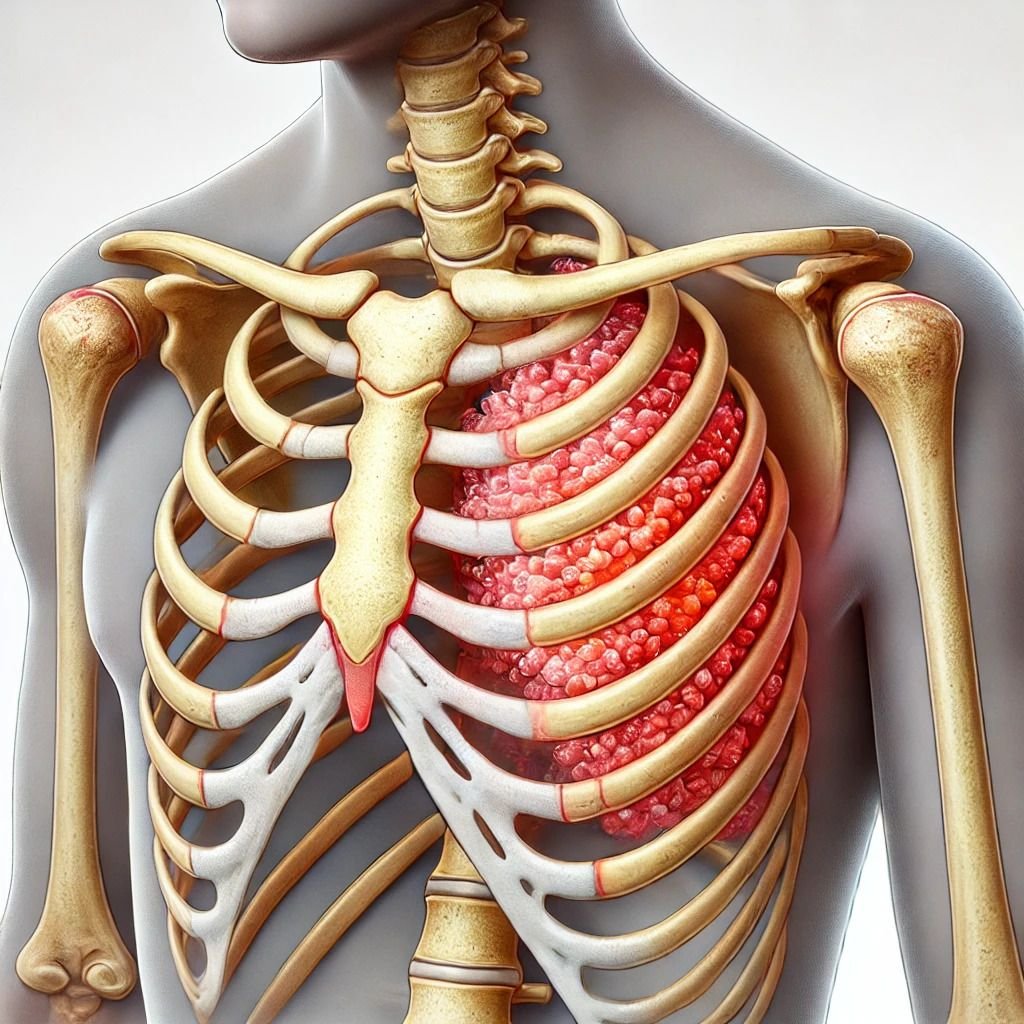
I am having sciatica, neuralgia and migraines. Are these due to epidural anesthesia?
I am having sciatica, neuralgia and migraines. Are these due to epidural anesthesia?
Epidural anesthesia is commonly used during childbirth and some surgeries, and for most people it is considered a safe form of pain relief. But when symptoms such as sciatica, nerve pain (neuralgia), or frequent headaches/migraines appear afterward, it is natural to wonder whether the epidural is responsible.
Can an epidural cause nerve pain?
Temporary numbness, tingling or weakness can occur after an epidural, while permanent nerve damage is very rare. Importantly, nerve symptoms after childbirth or surgery are not necessarily caused by the epidural itself; pressure on nerves during delivery, the surgery, or other medical conditions can also be responsible.
nhs.uk +1
Sciatica, for example, is usually related to irritation or compression of a nerve in the lower back, rather than automatically being a consequence of epidural anesthesia.
What about migraines or severe headaches?
A particular type of headache can occur after an epidural if the needle accidentally punctures the protective membrane around the spinal fluid. This is called a post-dural puncture headache. It commonly develops within a few days to a week and is characteristically worse when sitting or standing and better when lying down.
Cambridge University Hospitals
This type of headache can feel very severe and may resemble a migraine, but that does not mean that the epidural has caused a chronic migraine disorder.
When should you seek medical attention?
Don’t ignore symptoms such as new or worsening leg weakness, increasing numbness, difficulty controlling your bladder or bowel, fever, severe/worsening back pain, or a persistent severe headache, particularly if they began after an epidural. These can rarely indicate complications that require urgent assessment.
Digital Patient Information Hub +1
The important takeaway
If sciatica, neuralgia and migraines have appeared after an epidural, the timing alone cannot prove that the epidural caused them. A doctor needs to consider the exact timing, symptoms, examination findings and other possible causes.
If you tell me how long ago you had the epidural and how long after it your sciatica, neuralgia and migraines started, I can explain which pattern is more suggestive of an epidural-related complication and which is more likely to have another cause.
I am having sciatica, neuralgia and migraines. Are these due to epidural anesthesia?
Epidural anesthesia is widely used during childbirth and surgery to provide effective pain relief. Although it is generally considered safe, some people may experience headaches, back discomfort, numbness or tingling after the procedure. This can naturally raise concerns about whether new symptoms are connected to the epidural.
Understanding sciatica and neuralgia
Sciatica causes pain that typically travels from the lower back into the buttock and leg. It is most often related to irritation or compression of a nerve in the lower back. Neuralgia, on the other hand, refers to pain that occurs along the path of a nerve and may feel sharp, burning, shooting or electric-like.
These symptoms do not necessarily mean that the epidural caused nerve damage. During childbirth, prolonged positioning, pressure on nerves, muscle strain and changes in the spine can also contribute to nerve-related symptoms.
Why can headaches happen after an epidural?
One recognized complication is a post-dural puncture headache. It can happen if the needle unintentionally punctures the membrane surrounding the spinal fluid. The headache often becomes noticeably worse when sitting or standing and improves when lying down.
This type of headache is different from an ordinary migraine, although the symptoms can sometimes overlap. If a severe headache develops after an epidural—especially one that changes with position—it is important to tell your doctor or anesthetist.
Could an epidural cause long-term problems?
Serious, permanent nerve complications from an epidural are very uncommon. When symptoms continue for weeks or months, doctors usually consider several possible causes rather than automatically blaming the epidural.
A proper assessment may include a neurological examination and, depending on the symptoms, further investigations such as imaging.
When should you get urgent help?
Seek urgent medical attention if you develop new or worsening weakness in the legs, significant numbness, difficulty walking, loss of bladder or bowel control, fever with severe back pain, or a sudden extremely severe headache.
Final thoughts
Having sciatica, neuralgia or migraines after an epidural can certainly be worrying. However, the fact that these symptoms appeared after an epidural does not by itself prove that the epidural caused them. The timing and nature of the symptoms are important in determining the likely cause.
If symptoms are persistent, severe or getting worse, speaking with a doctor—particularly an anesthetist or neurologist—can help determine what is actually causing them and what treatment may be appropriate.
Can Sciatica, Neuralgia and Migraines Be Caused by Epidural Anesthesia?
Epidural anesthesia can be a life-changing form of pain relief, especially during childbirth or certain surgical procedures. However, when someone develops back pain, sciatica, nerve pain or severe headaches after an epidural, it is understandable to wonder whether the procedure is responsible.
The good news is that most people recover without any serious complications. However, understanding the possible causes of these symptoms can help you know when medical advice is necessary.
Sciatica after an epidural
Sciatica usually causes pain that begins in the lower back and travels through the buttock and down the leg. It may also be accompanied by tingling, numbness or weakness.
Although people sometimes associate sciatica with epidural anesthesia, an epidural is not usually the direct cause of ordinary sciatica. Pregnancy, childbirth, prolonged positioning, pressure on nerves and pre-existing problems in the lower spine can all contribute to these symptoms.
What is neuralgia?
Neuralgia is nerve-related pain that may feel burning, stabbing, shooting or like an electric shock. It can occur for many different reasons, so identifying the exact nerve involved and the underlying cause is important.
If nerve pain starts after an epidural, a medical professional can assess whether the timing and symptoms suggest a connection or whether another explanation is more likely.
What about migraines and headaches?
Headaches after an epidural deserve special attention. One possible complication is a post-dural puncture headache, which can occur if the needle unintentionally punctures the membrane surrounding the spinal fluid.
A typical post-dural puncture headache often becomes much worse when sitting or standing and improves when lying down. It may also be accompanied by nausea, neck discomfort or sensitivity to light.
Not every headache after an epidural is caused by the epidural, and a migraine is not the same thing as a post-dural puncture headache.
When should you be concerned?
If symptoms are mild and gradually improving, they may not indicate a serious problem. But persistent or worsening symptoms should not simply be ignored.
Seek medical attention promptly if you experience:
Increasing weakness or numbness in the legs
Difficulty walking
Loss of bladder or bowel control
Severe or worsening back pain
Fever along with significant back pain
A sudden or unusually severe headache
A headache that becomes dramatically worse when you stand up
The bottom line
Experiencing sciatica, neuralgia or migraines after an epidural can be frightening, but the timing alone doesn’t prove that the epidural caused these problems. There can be several possible explanations, and a proper medical assessment is the best way to determine the cause.
The important thing is not to panic—but also not to ignore symptoms that are severe, persistent or getting worse. Early evaluation can provide reassurance and, when necessary, allow treatment to begin sooner.