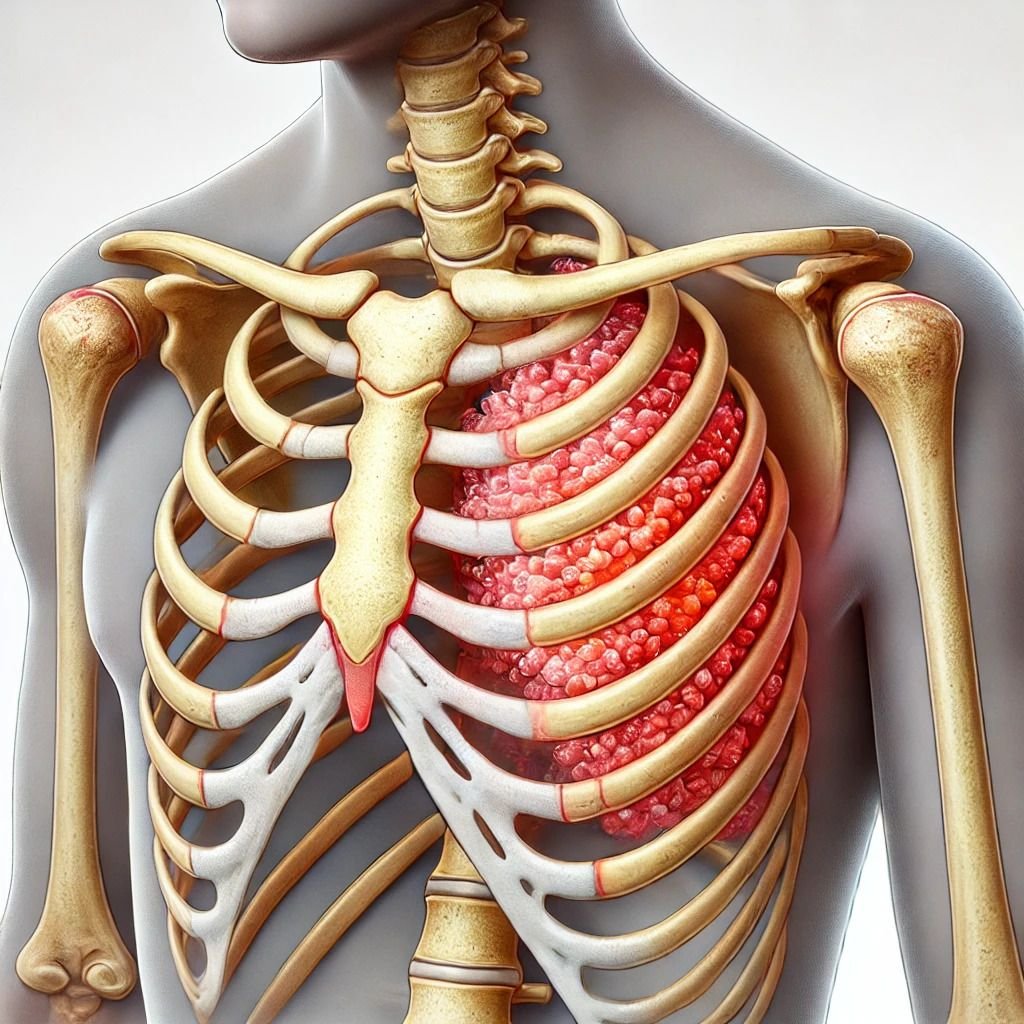






An obese 30-year-old African-American woman presents at a rheumatology clinic with muscle pain and tenderness to touch throughout her body. The patient, a mechanical engineer, has been referred by her primary care physician for a second assessment of diffuse myalgia accompanied by elevated inflammatory markers. She has a long and complex medical history. She has a body-mass index of 41, and does not smoke or drink alcohol. She says that she has muscle pain all over her body, but that her joints are not painful. She also reports extreme fatigue.…
Read MoreFirst-in-human trial tests safer T-cell therapy for pediatric brain cancers
First-in-human trial tests safer T-cell therapy for pediatric brain cancers Researchers report encouraging early results from a first-in-human clinical trial led by Children’s National using a new T-cell immunotherapy for children and young adults with some of the deadliest brain tumors, including diffuse intrinsic pontine glioma (DIPG) and relapsed central nervous system (CNS) tumors. These findings, published in Nature Medicine, are particularly significant given the challenges faced in treating pediatric brain tumors, which remain the leading cause of cancer-related deaths in children. Immunotherapies have been shown to work in blood cancers…
Read MoreThe Effect of Fibromyalgia on Marriages
The Effect of Fibromyalgia on Marriages Do you ever look at your healthy partner and feel/fear that they don’t deserve this life? A life with someone who is chronically ill? You aren’t alone. I’ve had that thought many times. A recent study shows that spouses with Fibromyalgia are more likely to consider divorce than their non-Fibro partners. The study suggests there is a strong link between fibromyalgia, feelings of depression and fatigue. Proulx found that people with fibromyalgia were almost three times more depressed than their spouses and reported more anger and problems…
Read MoreFibromyalgia vs Chronic Fatigue Syndrome – Do You Know the Difference? Most People Confuse These Two Conditions—Don’t Be One of Them!
How does Fibromyalgia differ from Chronic Fatigue Syndrome? Fibromyalgia Syndrome (FMS) and Chronic Fatigue Syndrome (CFS) have many symptoms in common. Research has found that there is a fine line between these 2 syndromes and the Arthritis Foundation says that between 50 to 70 percent of those with FMS fit the criteria for CFS. The main difference between FMS and CFS are the symptoms of pain and fatigue – FMS is thought to have more widespread pain and CFS more fatigue. When diagnosing CFS a doctor should expect a few differences. FMS…
Read MoreWhat Causes the Fibromyalgia Burning Sensation?
Do you ever feel like your bones are on fire? What about the top of your leg or your back, maybe even under the skin? Some fibromyalgia patients feel like lava is being pumped through their veins rather than blood. They might even have a burning sensation in their brain, which is hard to explain, as there are no pain receptors there. Others feel like their stomach, tendons, or ligaments are burning right inside their body. For many with fibromyalgia, the searing pain is so severe that they cry and…
Read MoreFibromyalgia and peripheral neuropathy are distinct chronic pain conditions that can coexist, each with unique symptoms and underlying mechanisms.
Overview of Fibromyalgia Fibromyalgia is a chronic disorder characterized by widespread musculoskeletal pain, fatigue, and tenderness in localized areas. It affects how the brain processes pain signals, leading to heightened sensitivity and discomfort. Common symptoms include: Chronic pain: Often described as a constant, dull ache affecting both sides of the body. Fatigue: Persistent tiredness that does not improve with rest. Cognitive difficulties: Often referred to as “fibro fog,” which includes problems with memory and concentration. Sleep disturbances: Difficulty falling or staying asleep, leading to unrefreshing sleep. Overview of Peripheral Neuropathy Peripheral neuropathy refers to damage or dysfunction of the peripheral nerves, which transmit signals between the central nervous system and the rest of the body. Symptoms typically include: Numbness and tingling: Often starting in the hands and feet. Weakness: Muscle weakness or difficulty with coordination. Burning pain: Sharp, electric shock-like sensations that can be constant or intermittent. Differences Between Fibromyalgia and Peripheral Neuropathy While both conditions can cause chronic pain, they differ significantly in their causes and symptoms: Underlying Mechanism: Fibromyalgia is primarily a central pain processing disorder, where the brain amplifies pain signals. In contrast, peripheral neuropathy results from damage to peripheral nerves, often due to conditions like diabetes or infections. 2 Symptom Patterns: Symptoms of fibromyalgia can fluctuate and are often widespread, while peripheral neuropathy symptoms are usually constant and localized to the affected nerves. 2 Diagnostic Tests: In peripheral neuropathy, nerve conduction studies can reveal abnormalities, whereas fibromyalgia typically shows no such nerve damage. Coexistence of Fibromyalgia and Peripheral Neuropathy It is possible for individuals to experience both fibromyalgia and peripheral neuropathy. Some studies suggest that a subset of fibromyalgia patients may exhibit signs of small fiber neuropathy (SFN), which involves damage to small nerve fibers that transmit pain and temperature sensations. This overlap can complicate diagnosis and treatment, as symptoms may mimic each other. Management Strategies Managing these conditions often requires a multifaceted approach that may include: Medications: Antidepressants or anticonvulsants can help manage nerve pain and fibromyalgia symptoms. Physical therapy: To improve mobility and reduce discomfort. Lifestyle modifications: Regular exercise, stress management techniques, and a balanced diet can alleviate symptoms. Conclusion Understanding the differences and potential overlap between fibromyalgia and peripheral neuropathy is crucial for effective diagnosis and treatment. Patients experiencing symptoms of either condition should consult healthcare professionals for tailored management strategies that address their unique challenges. By recognizing the complexities of these chronic pain syndromes, individuals can better navigate their treatment options and improve their quality of life.
Read MoreWhat Are the Best Breakfast Foods If You Have Fibromyalgia
Fibromyalgia | Fibromyalgia What Are the Best Breakfast Foods If You Have Fibromyalgia Fibromyalgia is a particularly challenging disorder because its causes and symptoms are so vague. According to the Mayo Clinic, the only thing that all people with fibromyalgia share is the tendency to have musculoskeletal pain throughout their bodies. It can also lead to issues like fatigue and memory problems. Treatment for fibromyalgia relies on a combination of taking medications to manage pain and lifestyle changes that help to improve your overall health. One of the most important things you can do…
Read MoreDo You Have Fibromyalgia? These 18 Tender Points Can Tell You
Pain is something that everybody will experience in their lifetime. However, with conditions such as fibromyalgia, the struggle with pain is ongoing and often difficult to cope with. Often this problem is exacerbated by incorrect diagnoses and treatments, which allows the condition to continue unabated. One of the key reasons for this is that fibromyalgia is a notoriously tricky condition to diagnose. Since individuals have different perceptions of pain and different levels of tolerance, it can often be difficult for medical professionals to get a sense of the pain levels experienced by…
Read MoreAcid Reflux and Fibromyalgia: Understanding the Connection
Acid reflux and fibromyalgia are two conditions that can cause discomfort and pain in individuals. Acid reflux, also known as gastroesophageal reflux disease (GERD), occurs when stomach acid flows back up into the esophagus. Fibromyalgia, on the other hand, is a chronic pain condition that affects the muscles and soft tissues throughout the body. While these two conditions may seem unrelated, recent research suggests that there may be a link between them. Studies have found that individuals with fibromyalgia are more likely to experience acid reflux symptoms than those without…
Read MoreFibromyalgia vs Polymyalgia Rheumatica: Understanding the Differences
Fibromyalgia and polymyalgia rheumatica are two distinct medical conditions that can cause similar symptoms, making it difficult for doctors to diagnose them correctly. Fibromyalgia is a chronic pain disorder characterized by widespread musculoskeletal pain, fatigue, and tenderness in localized areas. Polymyalgia rheumatica, on the other hand, is an inflammatory disorder that causes muscle pain and stiffness in the neck, shoulders, and hips. While both conditions share some common symptoms, they differ in their underlying causes and treatment options. Fibromyalgia is believed to be caused by an overactive nervous system that…
Read More