Fibromyalgia and peripheral neuropathy are distinct chronic pain conditions that can coexist, each with unique symptoms and underlying mechanisms.

Overview of Fibromyalgia Fibromyalgia is a chronic disorder characterized by widespread musculoskeletal pain, fatigue, and tenderness in localized areas. It affects how the brain processes pain signals, leading to heightened sensitivity and discomfort. Common symptoms include: Chronic pain: Often described as a constant, dull ache affecting both sides of the body. Fatigue: Persistent tiredness that does not improve with rest. Cognitive difficulties: Often referred to as “fibro fog,” which includes problems with memory and concentration. Sleep disturbances: Difficulty falling or staying asleep, leading to unrefreshing sleep. Overview of Peripheral Neuropathy Peripheral neuropathy refers to damage or dysfunction of the peripheral nerves, which transmit signals between the central nervous system and the rest of the body. Symptoms typically include: Numbness and tingling: Often starting in the hands and feet. Weakness: Muscle weakness or difficulty with coordination. Burning pain: Sharp, electric shock-like sensations that can be constant or intermittent. Differences Between Fibromyalgia and Peripheral Neuropathy While both conditions can cause chronic pain, they differ significantly in their causes and symptoms: Underlying Mechanism: Fibromyalgia is primarily a central pain processing disorder, where the brain amplifies pain signals. In contrast, peripheral neuropathy results from damage to peripheral nerves, often due to conditions like diabetes or infections.  2 Symptom Patterns: Symptoms of fibromyalgia can fluctuate and are often widespread, while peripheral neuropathy symptoms are usually constant and localized to the affected nerves.  2 Diagnostic Tests: In peripheral neuropathy, nerve conduction studies can reveal abnormalities, whereas fibromyalgia typically shows no such nerve damage.  Coexistence of Fibromyalgia and Peripheral Neuropathy It is possible for individuals to experience both fibromyalgia and peripheral neuropathy. Some studies suggest that a subset of fibromyalgia patients may exhibit signs of small fiber neuropathy (SFN), which involves damage to small nerve fibers that transmit pain and temperature sensations. This overlap can complicate diagnosis and treatment, as symptoms may mimic each other.  Management Strategies Managing these conditions often requires a multifaceted approach that may include: Medications: Antidepressants or anticonvulsants can help manage nerve pain and fibromyalgia symptoms. Physical therapy: To improve mobility and reduce discomfort. Lifestyle modifications: Regular exercise, stress management techniques, and a balanced diet can alleviate symptoms.  Conclusion Understanding the differences and potential overlap between fibromyalgia and peripheral neuropathy is crucial for effective diagnosis and treatment. Patients experiencing symptoms of either condition should consult healthcare professionals for tailored management strategies that address their unique challenges. By recognizing the complexities of these chronic pain syndromes, individuals can better navigate their treatment options and improve their quality of life.

Read More

What Are the Best Breakfast Foods If You Have Fibromyalgia

Fibromyalgia | Fibromyalgia What Are the Best Breakfast Foods If You Have Fibromyalgia Fibromyalgia is a particularly challenging disorder because its causes and symptoms are so vague. According to the Mayo Clinic, the only thing that all people with fibromyalgia share is the tendency to have musculoskeletal pain throughout their bodies. It can also lead to issues like fatigue and memory problems. Treatment for fibromyalgia relies on a combination of taking medications to manage pain and lifestyle changes that help to improve your overall health. One of the most important things you can do…

Read More

Do You Have Fibromyalgia? These 18 Tender Points Can Tell You

Pain is something that everybody will experience in their lifetime. However, with conditions such as fibromyalgia, the struggle with pain is ongoing and often difficult to cope with. Often this problem is exacerbated by incorrect diagnoses and treatments, which allows the condition to continue unabated. One of the key reasons for this is that fibromyalgia is a notoriously tricky condition to diagnose. Since individuals have different perceptions of pain and different levels of tolerance, it can often be difficult for medical professionals to get a sense of the pain levels experienced by…

Read More

Acid Reflux and Fibromyalgia: Understanding the Connection

Acid reflux and fibromyalgia are two conditions that can cause discomfort and pain in individuals. Acid reflux, also known as gastroesophageal reflux disease (GERD), occurs when stomach acid flows back up into the esophagus. Fibromyalgia, on the other hand, is a chronic pain condition that affects the muscles and soft tissues throughout the body. While these two conditions may seem unrelated, recent research suggests that there may be a link between them. Studies have found that individuals with fibromyalgia are more likely to experience acid reflux symptoms than those without…

Read More

Fibromyalgia vs Polymyalgia Rheumatica: Understanding the Differences

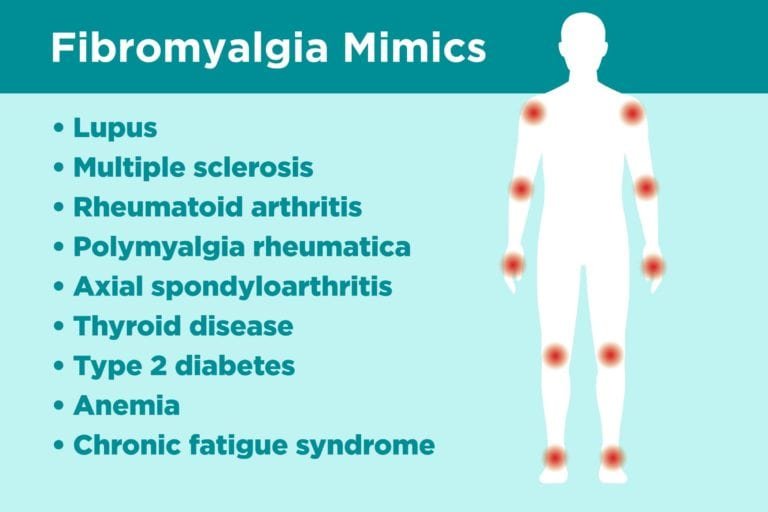
Fibromyalgia and polymyalgia rheumatica are two distinct medical conditions that can cause similar symptoms, making it difficult for doctors to diagnose them correctly. Fibromyalgia is a chronic pain disorder characterized by widespread musculoskeletal pain, fatigue, and tenderness in localized areas. Polymyalgia rheumatica, on the other hand, is an inflammatory disorder that causes muscle pain and stiffness in the neck, shoulders, and hips. While both conditions share some common symptoms, they differ in their underlying causes and treatment options. Fibromyalgia is believed to be caused by an overactive nervous system that…

Read More

Fibromyalgia Support Groups: Finding Comfort and Understanding in Community

Fibromyalgia is a chronic pain disorder that can be isolating and difficult to manage. For those living with fibromyalgia, finding a support system can be crucial to managing symptoms and improving quality of life. Support groups for fibromyalgia offer a place for individuals to connect with others who understand what they’re going through, share experiences, and offer each other emotional support. Support groups can be a valuable resource for those with fibromyalgia, as they provide a safe space to discuss the challenges of living with a chronic illness. Members of…

Read More

THIS PAIN PATCH IS PROVED TO BE BEST FOR FIBROMYALGIA PAIN RELIEF -HERE’S WHAT THIS PATCH IS AND HOW IT HELP YOU WITH SEVERE PAIN

Pain Patch For Fibromyalgia And Nerve Pain Pain Patch For Fibromyalgia – Numerous scientific studies have confirmed the miraculous effects of cannabis. The restrictions are being reduced to a great extent now. Pain relief patches There are recognized over 85 cannabinoids. Our nervous and digestive systems have their own endocannabinoid receptors. Moreover, they play an important role in our body, regulating appetite, movements, sleep, and emotions. Terpenes are other components of cannabis, which offer powerful pain-relieving properties. Moreover, terpenes and cannabinoids have analgesic and anti-inflammatory properties. Furthermore, these phytochemicals easily metabolize…

Read More

Adele revealed She is Suffering From Chronic Back Pain,Here’s What She’s Suffering From and How She Has Been Dragged Out From Stage Many Time Due To It

Adele reveals she is dealing with Chronic Back Pain By Julia Nelson / Sciatica pain is no joke, and those who have experienced it know how hard it is to move around. Adele is the most recent celeb opening up about a  health struggle and how uncomfortable it is to perform in her Las Vegas residency when you have pain running through your lower back, hips, and buttocks and down each leg. After fans expressed concern about the singer having difficulty walking across the stage during her New Year’s Eve show in Las Vegas, Adele revealed…

Read More

Fibromyalgia: do I tackle you with pharmacological treatments?

Pharmacological approaches are of weak efficacy in fibromyalgia and should be combined with nonpharmacological therapies, for a synergistic effect, tailored to each patient. Keywords: Fibromyalgia, Pharmacological treatments, Drugs, Opioids Abstract Pharmacological approaches are frequently proposed in fibromyalgia, based on different rationale. Some treatments are proposed to alleviate symptoms, mainly pain, fatigue, and sleep disorder. Other treatments are proposed according to pathophysiological mechanisms, especially central sensitization and abnormal pain modulation. Globally, pharmacological approaches are weakly effective but market authorization differs between Europe and United States. Food and Drug Administration–approved medications for fibromyalgia…

Read More

Hypersomnia is a condition when a person can sleep for 10-13 hours but still wake up feeling tried.know anyone like this?

Key Takeaways Alkermes initiated three pivotal 12-week, randomized, double-blind trials comparing alixorexton with placebo in narcolepsy type 1, narcolepsy type 2, and idiopathic hypersomnia. Mechanistically, selective OX2R agonism is intended to activate wake-promoting pathways and may mitigate excessive daytime sleepiness irrespective of whether orexin deficiency is etiologic. SHOW MORE Alkermes has initiated a phase 3 clinical program evaluating alixorexton for narcolepsy type 1 and type 2, with additional development underway for idiopathic hypersomnia. Alkermes has begun its safety and efficacy trials of alixorexton for the treatment of narcolepsy type 1…

Read More