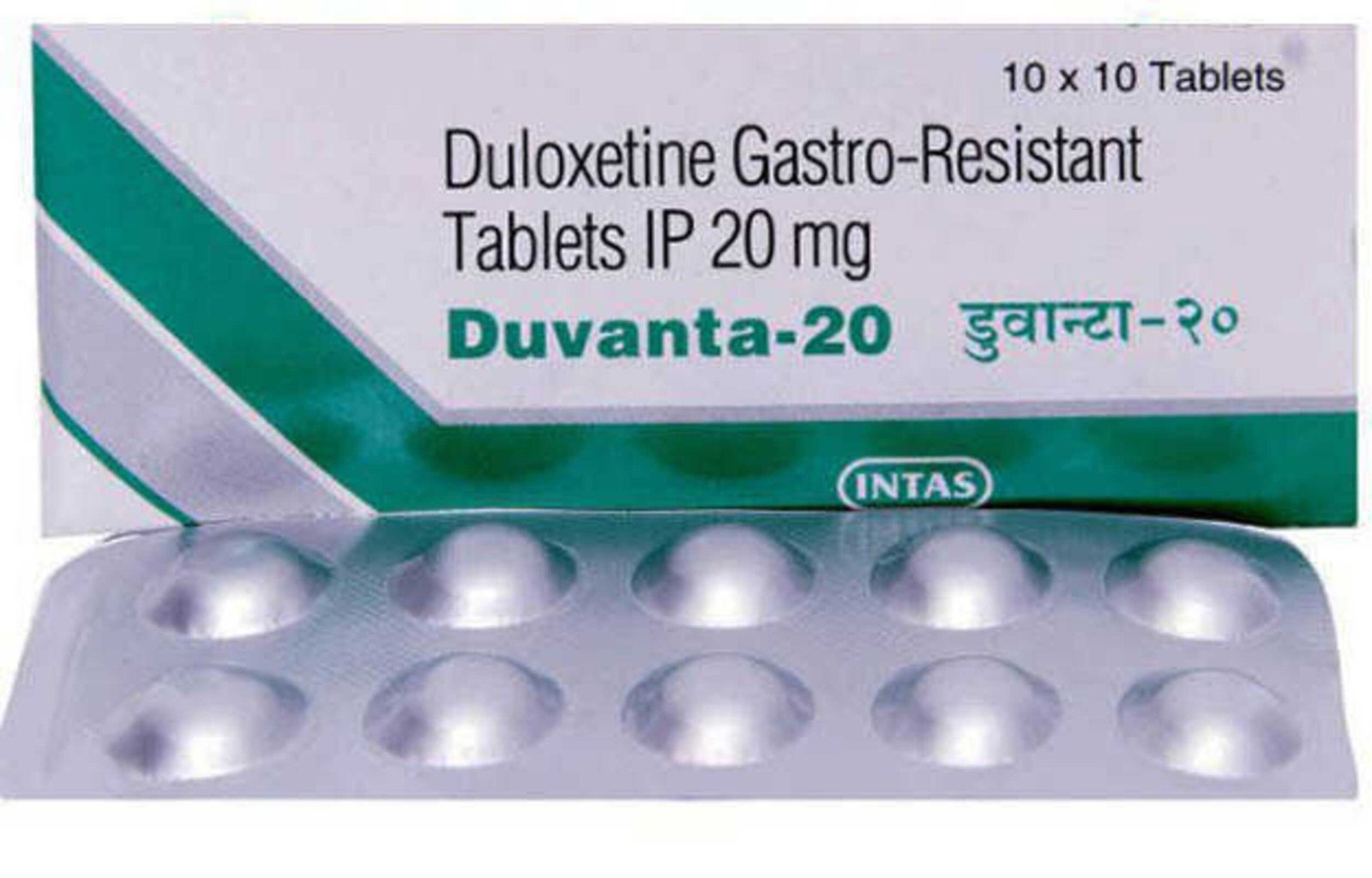
Duloxetine hcl DR 20 mg
Have you taken it and how have you felt?
Duloxetine Success! (And my experience with side effects)
Hi all! I’ve seen a lot of posts with concerns about side effects of this medication, many of which I went through.
I have had major depression and generalised anxiety since childhood, and have been on and off medications for the last 15 years. Duloxetine has changed my life over the past 4 months, so if you’re nervous about your journey, I hope you’ll try and consider that side effects will likely pass!
While my side effects felt somewhat stressful at the time, I was checking in with my psychiatrist weekly to ensure I was adjusting appropriately. Make sure to check with your doctor if you’re concerned!
I started duloxetine toward the end of 2024 on 30mg. 2 weeks later, I moved up to 60mg. After another month, I moved up to 90mg, as recommended by my psychiatrist.
Here are some of the things I went through during my first week and a half on the medication:
Day 1 – light nausea, muscle weakness, heart palpitations, headache, sleepiness. I felt that I wasn’t thinking clearly.
Day 2 – nausea, heart feeling ‘fluttery’, shivering, urinating less, continued muscle weakness, some tingling/numbness on my body.
Day 3 – physical symptoms dissipating, and mental chatter started to disappear. I felt very slow and had some brain fog.
Day 4 – started feeling relatively normal. My mental chatter started to come back.
Day 5 – I felt I was back to square 1. I had some depressive symptoms in the evening, and felt very distracted from work.
Day 6 – Depressed, racing and paranoid thoughts about my personal relationships. Low motivation and low mood. Tired, wanted to lay down all day.
Day 7 – Very tired during the day, and anxiety still there but less severe. All physical side effects gone.
Day 8 – Same as day 7.
Day 9 – Anxiety subsided, feeling back to my baseline – no better, no worse.
I stopped recording my symptoms after this as there was nothing significant to note. I kept thinking, when is this going to work?? I tried to stay positive and understand that it takes 6 to 8 weeks to feel better.
Up to 6 weeks – the only side effects I experienced were some extra tiredness during the day, occasional insomnia, and still feeling depressed. Sometimes I had some issues with memory and word recall – like it was on the tip of my tongue but I couldn’t find it!
From 6 weeks onwards I was a whole new person! I felt relief from my depression for the first time in a long time. I was struggling with ruminating thoughts, and these subsideded significantly. It was so interesting to me that it could make you feel so weird at the start, and then you almost forget you’re taking it before you start to feel better!
At around 8 weeks, I started 90mg. I felt no side effects through this period. The only thing that shocked me was experiencing REAL night sweats for the first time, but this subsided. The only thing I’m left with is some additional sweating during the day (but it’s summer here so it’s to be expected). I feel SO much relief from my depression, and I have been able to establish healthy habits and routines.
If you want to quit because of your side effects, I would recommend giving it 6 to 8 weeks before trying something else, unless you are seriously concerned – in which case, contact your doctor.
It can be a little scary and uncertain at first, but it has been so worth it for the relief that I feel 4 months on.
Good luck on your journey!
Duloxetine is an SNRI antidepressant that can be used to help with low mood or anxiety.
About duloxetine
Duloxetine is a type of antidepressant called a serotonin and noradrenaline reuptake inhibitor (SNRI).
Serotonin (also called ‘5HT’) and noradrenaline are a naturally occurring chemical messengers (or ‘neurotransmitters’) that have an important role in areas of the brain that control mood thinking, feelings and emotions. Research suggests that depression is more likely to occur when the brain doesn’t have enough of these chemical messengers.
SNRIs like duloxetine are thought to work by increasing levels of serotonin and noradrenaline in the brain.
SNRIs like duloxetine are thought to work by increasing levels of serotonin and noradrenaline in the brain.
They can also cause an increase in dopamine (another naturally occurring chemical messenger) in some areas of the brain.
Depression, and other conditions like anxiety disorders, are not just caused by low serotonin and noradrenaline levels, but a rise in these chemicals can improve symptoms and help you to feel better.
Duloxetine for the Treatment of Chronic Low Back Pain: A Systematic Review of Randomized Placebo-Controlled Trials
This systematic review determines the efficacy and safety of duloxetine for chronic low back pain (CLBP). We queried the PubMed, SCOPUS, and Ovid MEDLINE databases. All level I and II randomized controlled studies published in the English language investigating the efficacy of duloxetine for chronic low back pain were included. Five studies (832 duloxetine-treated patients, 667 placebo-treated patients, and 41 duloxetine and placebo crossover analysis patients) were analyzed. One study was level I evidence and four studies were level II evidence. All five studies reported statistically significant improvements in more than one back-pain-specific clinical outcome score with duloxetine versus placebo. Four studies found that duloxetine 60 mg daily leads to one or more statistically significant improvements versus placebo in Brief Pain Inventory Severity (BPI-S) scores. All five studies found no significant difference in serious adverse events (AEs) between the duloxetine and placebo groups. One study found a higher rate of total AEs among the duloxetine 120 mg group versus the placebo group; however, the same study did not find a significant difference in total AEs among duloxetine 20 mg and 60 mg groups versus placebo. Duloxetine is a safe and effective first-line option for the treatment of CLBP. Current studies demonstrate that 60 mg taken once daily has the highest efficacy for reducing pain and disability while minimizing minor adverse effects. Further randomized controlled trials with long-term follow-up are necessary to determine its long-term effects.
Introduction and background
Low back pain is a leading cause of disability in the United States with a lifetime prevalence of up to 80% [1-3]. There is a tremendous economic burden associated with this condition with an annual treatment cost of up to $200 billion and an estimated 149 million workdays missed per year within the United States [4-5]. Chronic low back pain (CLBP) is defined as pain that persists for greater than three months and has been associated with a significant increase in the use of spine surgery, spinal injections, and opioids in the last two decades [4-7].
The etiology of CLBP appears to be multifactorial and is not clearly understood. Degenerative lumbar spondylotic changes have been proposed to be a common etiology associated with this condition, which leads to neuronal hyperexcitability, hypersensitization, and increased inflammatory factors within the central nervous system [8-9]. Recent clinical guidelines recommend non-operative treatment consisting of exercise and non-steroidal anti-inflammatory drugs (NSAIDs) as first-line treatment for non-specific CLBP [10]. However, exercise is often ineffective, and gastrointestinal, renal, and cardiac adverse events have been associated with NSAIDs, particularly with chronic use [10-12]. The moderate use of opioids and muscle relaxants has also been recommended for short-term treatment; however, this has significant limitations due to neurologic, psychosocial, and gastrointestinal side effects [13-14]. Due to these limitations, clinicians often resort to invasive treatment methods, including spinal injections and surgical interventions prior to the completion of a lengthy trial of non-operative management [10,15].
Registration was completed for this systematic review with the International Prospective Register of Systematic Reviews (PROSPERO) on December 11, 2020. No similar prior systematic reviews or meta-analyses were identified within PROSPERO. The protocol described in the Preferred Reporting Items for Systematic Reviews and Meta-Analyses (PRISMA) guidelines were utilized to conduct the search [25].
Two authors conducted separate searches using the following medical databases on December 09, 2020: PubMed (1966-present), SCOPUS (1966-present), and Ovid MEDLINE (1946-present). To ensure a stringent search strategy of relevant literature, keywords including “duloxetine,” “back,” and “pain” were combined with Boolean operators to develop a search protocol. To further minimize unintentional exclusion of relevant studies, two authors performed a separate hand search of the included references.
All level I and II evidence randomized placebo-controlled trials (as defined by the Oxford Centre for Evidence-Based Medicine [CEBM]) published in the English language that investigated the efficacy and safety of duloxetine for the treatment of chronic low back pain were included [26].
Studies were excluded if they were studies of non-chronic low back pain, studies with concomitant MDD, non-placebo controlled studies, and non-randomized controlled studies, including cadaveric studies, basic science studies, animal studies, diagnostic studies, economic studies, prognostic studies, letters to editors, review articles, editorials, and surveys. Only one study was retained in the situation of duplicate studies from the same author(s) and/or institution(s) reporting on overlapping subjects: the longest follow-up, the highest level of evidence, the most pertinent outcome scores investigated, and the largest number of subjects.
Three authors independently reviewed all studies using a previously recommended methodology [27]. The level of evidence (CEBM), study design, and methodological quality of each study was graded using the Modified Coleman Methodology Scores (MCMS) [26,28]. For each included study, the Grading of Recommendations Assessment, Development and Evaluation (GRADE) score and the overall Strength-of-Recommendation Taxonomy (SORT) scores were calculated [29-30]. Patient demographics, including age, gender, diagnosis, adverse events, patient-reported outcome scores, and the study authors’ overall conclusion, were extracted from each study. WebPlotDigitizer version 4.4 (Ankit Rohatgi, Pacifica, CA was utilized to best estimate the reported data using prior described methods for data extracted from digital plots [31-32]. If the included studies were too heterogeneous, with heterogeneity in study participants, interventions, and/or outcomes, a meta-analysis would not be performed and a systematic review with best-evidence synthesis would be chosen as the synthetic review type.
The Statistical Package of the Social Sciences (SPSS) statistical software (Version 25.0; IBM Corp., Armonk, NY) was utilized for statistical analysis. The chi-square test was used to analyze categorical data and the two-tailed student t-test was used to analyze continuous data. A p-value < 0.05 was considered statistically significant.
Three authors used the Revised Cochrane Risk-of-Bias tool for randomized trials (RoB 2) tool to perform a risk-of-bias assessment of each included study [33].
Results
One-hundred-and-thirty-four studies were identified during the preliminary search with 28 found to be duplicates. Of the remaining 106 studies, five met all inclusion and exclusion criteria (Figure 1).
Figure 1. The Preferred Reporting Items for Systematic Review and Meta-Analysis (PRISMA) flowchart showing the application of selection criteria to the studies identified with the search strategy.
One study was level I evidence and four studies were level II evidence. According to MCMS, four studies were rated as excellent (scores between 85 and 100) and one study was rated as good (scores between 70 and 84) [26]. The overall SORT and GRADE scores were A [29,30]. According to RoB2, the overall risk of bias was low for all five studies.