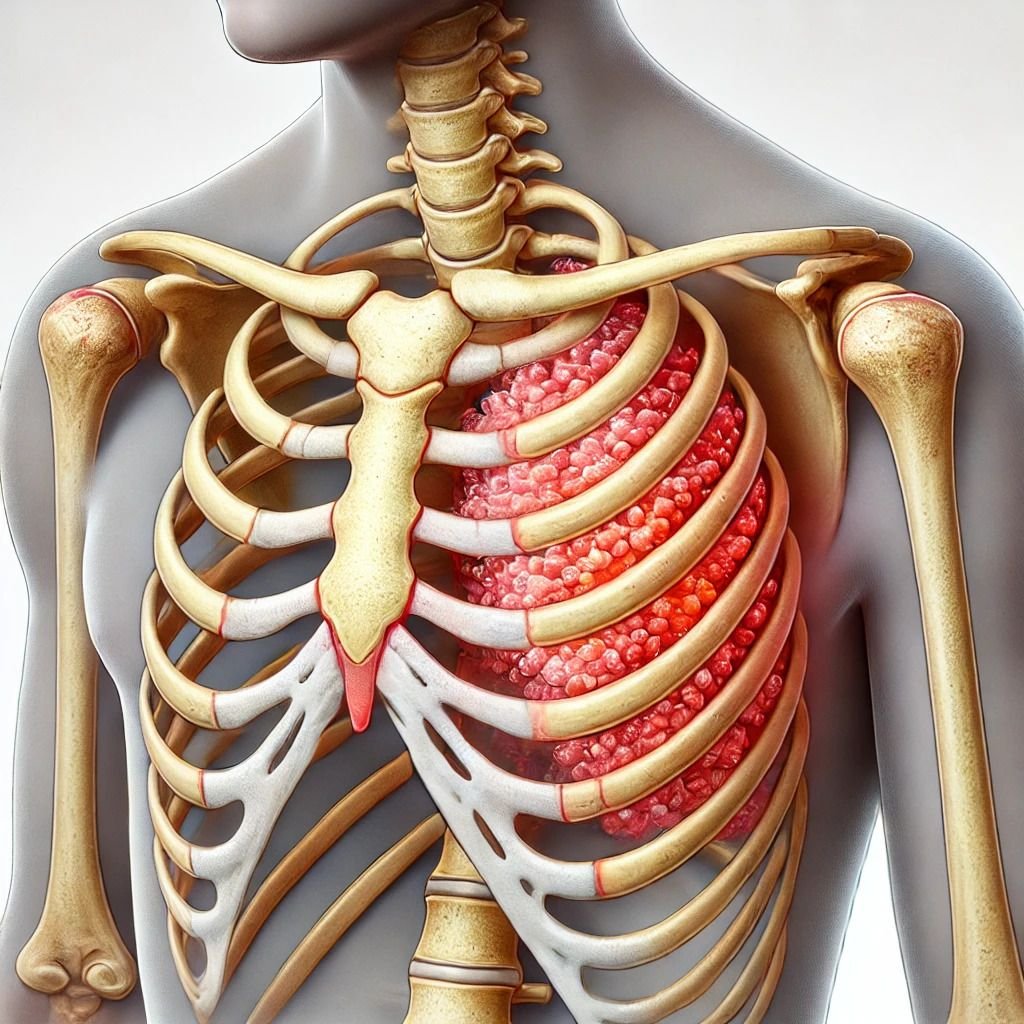

Duloxetine, a widely prescribed antidepressant, has been recalled in the United States after the US Food and Drug Administration (FDA) found potentially cancer-causing impurities above federal safety limits.
According to the Cleveland Clinic, duloxetine is commonly used to treat depression, anxiety, fibromyalgia, and certain chronic pain conditions.
The FDA issued a notice stating the presence of N-nitroso-duloxetine, a nitrosamine impurity detected at levels exceeding the agency’s recommended safety threshold. The recall affects nearly 370,000 bottles of prescription-only duloxetine delayed-release capsules USP, 30mg, 1000 Capsule bottles, distributed across the US.
The agency warned that exposure to nitrosamine impurities “may increase the risk of cancer if people are exposed to them above acceptable levels and over long periods of time.”
The agency classified the action as a Class II recall, indicating that use of or exposure to the product may cause temporary or medically reversible adverse health consequences, while the likelihood of serious health effects remains low.
How Is Duloxetine Linked to Cancer?
Also read: US FDA Approves First New Sunscreen Ingredient Since the 1990s
Notably, this is the second duloxetine recall linked to the same impurity. In October 2024, more than 7,000 bottles were recalled because of potential nitrosamine contamination.
According to the FDA, people who take medications containing nitrosamines—even daily for up to 70 years—are not expected to face an increased cancer risk if nitrosamine levels remain at or below the recommended limits.
There is currently no direct evidence linking N-nitroso-duloxetine itself to cancer. However, it belongs to a class of compounds known as nitrosamines, some of which are considered probable human carcinogens.
Read: Natural Origin or Lab Leak? Gabbard Reignites COVID Origins Debate, Claims Fauci Funded Wuhan Lab Research
Moreover, health risks associated with nitrosamines generally depend on both the amount and duration of exposure. Higher levels over extended periods are considered more concerning.
The US National Library of Medicine describes N-nitroso-duloxetine as a compound that is “suspected of causing cancer” and notes that it is toxic if swallowed.
At the same time, the California State Board of Pharmacy emphasizes that exposure does not automatically result in cancer. The agency notes that nitrosamines are commonly found in water and foods, including cured and grilled meats, dairy products, and vegetables.
“Everyone is exposed to some level of nitrosamines,” the board states. “These impurities may increase the risk of cancer if people are exposed to them above acceptable levels over long periods of time.”
What Are Antidepressants?
Read More: New Pancreatic Cancer Drug Daxaronrasib May Benefit Patients With Lung And Ovarian Tumors Too
Antidepressants are prescription medications used to treat depression, anxiety disorders, chronic pain, and other conditions by increasing levels of certain brain chemicals involved in mood regulation.
Common classes of antidepressants include:
- Selective serotonin reuptake inhibitors (SSRIs)
- Serotonin-norepinephrine reuptake inhibitors (SNRIs)
- Norepinephrine-dopamine reuptake inhibitors (NDRIs)
These medications often take several weeks to achieve their full therapeutic effect. Common side effects may include dry mouth, dizziness, nausea, and weight changes. Emerging research also suggests that side effects can vary significantly depending on the specific medication.
What Is Duloxetine?
Also read: Trying to Quit Tobacco? Yoga Could Improve Your Chances, Suggests Study
Duloxetine belongs to a class of antidepressants known as SNRIs.
Cleveland Clinic explained that duloxetine is used to treat depression, generalized anxiety disorder, fibromyalgia, and certain types of chronic pain, including nerve, bone, and joint pain.
The medication works by increasing levels of serotonin and norepinephrine in the brain—neurotransmitters that help regulate mood and pain perception.
Read more
Cancer and Fibromyalgia: Addressing the Needs of Patients Despite Limited Research
Having either cancer or fibromyalgia is a challenge that millions of Americans face every year. But how do those with comorbid cancer and fibromyalgia fare? Addressing comorbidity between cancer and fibromyalgia is an emerging, but still lacking, area of research. Multiple studies dating as far back as 2001 show a link between developing cancer after fibromyalgia or fibromyalgia symptoms1,2 and vice versa. However, much of the currently available research has been specific to patients with nonmetastatic breast cancer and it is, of course, challenging to discuss the relationship between these diseases in any authoritative way when research is limited both in number and in scope.
While linking cancer and fibromyalgia may seem stochastic, some basic facts common to both diagnosis make it important to consider those who experience both, either concurrently or consecutively. Both diseases are highly prevalent in the United States population: according to the American Chronic Pain Association, fibromyalgia is estimated to affect 6 to 12 million Americans, but that number may a low estimate due to underdiagnosing. Per the National Cancer Institute, over 1.7 million Americans are diagnosed each year with cancer, and over one-third of all Americans will be diagnosed with cancer at some time in their lives. In addition to being common yet serious diseases, both cancer and fibromyalgia bring a high burden of physical pain1,4 and negative effects on mental health.1,5 The coupling of each of these diseases and their side effects can lead to poorer quality-of-life, higher chance of psychological disability,4 and barriers to employment.
Despite all that is known about the challenges associated with cancer and fibromyalgia and their high frequencies, patients still have trouble accessing proper care for these medical conditions. Despite repeated recommendations that the mental health of cancer survivors be closely monitored, many survivors struggle to obtain access to this care.4,5 Furthermore, those living with fibromyalgia were found to be undertreated despite an increased understanding of the disease and treatments being available.6 Fibromyalgia in particular is a medical condition that is associated with a stigma both in the general public and by medical providers as a “mind-body” condition.
This topic came to my attention after providing short-term counseling to a number of women who had comorbid breast cancer and fibromyalgia. Of the patients I encountered, all reported experiencing high levels of physical pain, depression, and feeling like their medical team had a laissez-faire attitude toward their pain management. Although multiple studies have found a connection between cancer and fibromyalgia, I was not able to find credible information or research on patients who have had both diseases, especially not for those suffering with both simultaneously. With limited empirical information, it is my fear that many Americans are not being accurately diagnosed with both conditions, either at the same time or over time, and are not receiving an adequate level of care for the long-term side effects, both physically and mentally, that are brought on by these health conditions. In my work, I see a great need for this to be investigated further both on a one-to-one level with patients and in the oncology and rheumatology communities at large.