How Does Fibromyalgia Affect Mental Health?

About 4 million American adults — roughly 2% of the population — have fibromyalgia, regularly dealing with pain, stiffness, and fatigue. As debilitating as the physical symptoms are, fibromyalgia’s emotional effects can also be devastating, especially if those symptoms are ignored. At Vulcan Pain Management, Victor E. Mendoza, MD, helps patients in Birmingham, Alabama, find relief for fibromyalgia’s physical and emotional effects, providing truly customized, patient-centered care based on each patient’s unique needs. If you have fibromyalgia, here’s what you should know about its impact on your mental health. Fibromyalgia: The basics No one knows…

Read More

Fibromyalgia Is Real?

Lack of Cause and Diagnostic Tools Creates Misconceptions By Adrienne Dellwo   Medically reviewed by Marissa Sansone, MDPrint  There have long been medical conditions for which people will suffer symptoms even when doctors have no idea what is causing the illness. Scientists will refer to these as idiopathic, meaning that there is no apparent or known cause. Fibromyalgia is one such disorder, alongside chronic fatigue syndrome and certain types of epilepsy, that is considered idiopathic.1 To some people, this may be misinterpreted as to mean “not real” or, even worse, “all in one’s head.” But…

Read More

A Complete Guide to Fibromyalgia

Everything You Need to Know about Fibromyalgia On this page What is fibromyalgia? Fibromyalgia causes Fibromyalgia symptoms What are some rare fibromyalgia symptoms ? Are there stages of fibromyalgia? What are the risk factors for fibromyalgia? How is fibromyalgia diagnosed? What conditions are linked to fibromyalgia? What triggers fibromyalgia flares? What medications help fibromyalgia? How is fibromyalgia treated? What are the evidence-based approaches for living well with fibromyalgia? Living well with fibromyalgia also involves… Can you die from fibromyalgia? What’s the latest research on fibromyalgia? Overwhelmed by it all? Just…

Read More

My partner has Fibromyalgia. What should I do?

Dos and Dont’s for partners of Fibromyalgia warriors Renuka Dhinakaran · Follow Published in Invisible Illness Living with Fibromyalgia is death by a thousand cuts (or that is how it feels every morning I wake up and every night I go to bed). It is a syndrome characterized by widespread, chronic pain, increased sensitivity to pressure and fatigue (even with little to no exertion). There is no known cause…

Read More

16 Ways to Support a Spouse Who Has Fibromyalgia

16 Ways to Support a Spouse Who Has Fibromyalgia Fibromyalgia is a chronic illness that causes devastating chronic pain. With this disease, knowing how to support your spouse or loved one can be very difficult. They look the same, but you cannot touch them at times, they are exhausted, and often they are depressed. There are things you can do to help out, to give support, and to make life easier for your spouse with fibromyalgia. Things you can do: 1. Help around the house. Take over the household chores that…

Read More

What can cause morning back pain?

Morning back pain can stem from a problem with sleeping posture, mattress, or pillows. However, waking up with lower back pain can also indicate an underlying condition, such as degenerative disc disease or fibromyalgia. Waking up with back pain can slow down a person’s start on the day. Determining the cause of the pain can help them identify ways to manage the problem and wake up to more pain-free mornings. This article outlines some of the possible causes of waking up with back pain, along with their associated treatment options.…

Read More

Food and Mood

Depression is commonly experienced in Fibromyalgia and this is something that I often see with my clients. Not really surprising as the symptoms of fibromyalgia can really get one down, but there is lots that we can do from a dietary perspective to support mood and some of those strategies may also support the general symptoms of fibromyalgia. The neurotransmitter serotonin is involved in balancing mood and happiness and low levels have been associated with depression. Research has found that people with fibromyalgia have abnormally low levels of serotonin in…

Read More

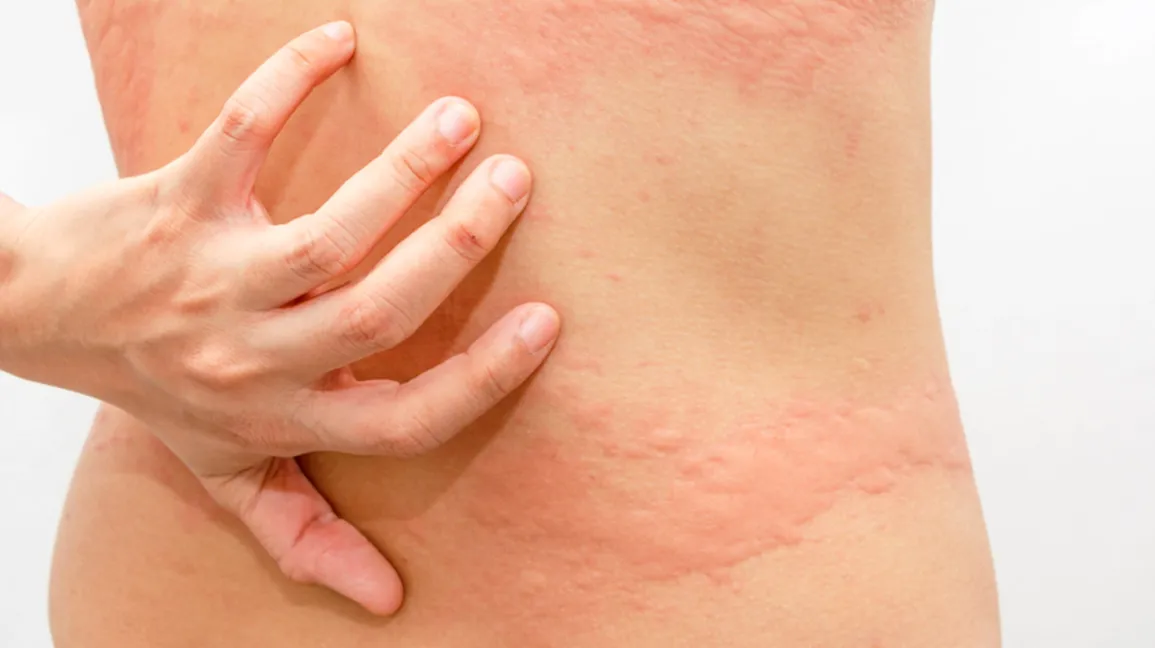
How to Treat Skin Rashes in Fibromyalgia

Overview If you’re living with fibromyalgia, you may expect widespread muscle pain and other symptoms like digestive problems, sleepiness, and brain fog. These, however, aren’t the only symptoms linked with this condition. Some people diagnosed with fibromyalgia also develop a skin rash. These rashes can vary in size and appear anywhere on the body. They’re most often due to medication side effects and can worsen with scratching. Some fibromyalgia rashes are so sensitive that it becomes difficult to wear certain clothes or sleep. But relief is possible. Here’s what you need to…

Read More

3 Fibromyalgia Skin Symptoms and How to Manage Them

by Robin dix Fibromyalgia has so many issues affiliated with it, and one of those issues is related to the health and condition of our skin. For those who are sensitive to clothing touching their skin, rashes and other issues just exacerbate the discomfort.According to Healthy Plan, some of the skin issues related to fibromyalgia include rashes, burning and tingling, and dry skin. Our skin is our largest organ and when our body is reacting to something or detoxing, it’s bound to affect our skin in various ways.MORE: Why pets are great if you have fibromyalgia. RashesFibromyalgia…

Read More

What is the difference between TMJ Disorder and Fibromyalgia? Is there any connection between them?

 posted in: TMJ Disorder |   Both Fibromyalgia and (TMD) Temporomandibular disorders are more prevalent among women. Several aspects link both the medical conditions. Here’re details about these conditions, the difference, and connections between the same. What’s a TMJ disorder? Joints that connect your skull with the jaw are temporomandibular joints. The sliding hinge plays a crucial role in jaw movements while chewing, talking, or moving the jaw up and down. Tenderness or pain in these parts is referred to as TMJ or TMD (temporomandibular disorders). Statistics suggest that more than 10 million Americans suffer…

Read More