Paroxetine and Alcohol: Can You Drink While Taking Paxil?
Paroxetine is a type of Selective Serotonin Reuptake Inhibitor (SSRI) prescribed for the treatment of depression and anxiety in adults, where it acts by increasing the availability of serotonin in the synapse. Drinking alcohol while taking paroxetine is generally safe, although not advised, as alcohol reduces the antidepressant properties of paroxetine. It is important to consult your healthcare provider about your specific indications.
Author – Klara Hatinova
Klara is a postgraduate researcher in experimental psychology at the University of Oxford.
What Is Paroxetine?
Paroxetine is a prescription medication that belongs to a class of drugs known as selective serotonin reuptake inhibitors (SSRIs) [1]. It is the most potent SSRIs, meaning it can have a beneficial effect even at lower doses. Paroxetin is marketed under the brand names Paxil and Seroxat and can be prescribed to treat depression, obsessive-compulsive disorder, panic disorder, social anxiety disorder, generalised anxiety disorder, post-traumatic stress disorder, as well as some symptoms of menopause [1].
Paroxetine has a half-life of approximately 24 hours and no active metabolites; thus, it is eliminated from the body quickly, reducing the risks of side effects [2, 3]. The safety profile of paroxetine makes it a popular antidepressant for elderly patients, and has even been used off-label in adolescents [4, 5].
Like all medications, paroxetine can also have side effects. Side effects of taking paroxetine include sleep disturbance, dizziness and nausea, but these effects are rarely severe enough for patients to discontinue their medication [6, 7]. Overdosing with paroxetine is also more difficult than with other classes if antidepressants [8].
What Are The Side Effects of Paroxetine?
Mild Side Effects of Paroxetine
- Gastrointestinal Upset – Gastrointestinal symptoms are the most common side effects of paroxetine. This can include nausea, indigestion, constipation or diarrhoea. These are usually tolerable and rarely lead to drug discontinuation [7, 8].
- Headache – Individuals taking paroxetine are 5.4% more likely to experience headaches[9].
- Decreased Libido – Decreased libido is 2.6% more common in individuals taking paroxetine compared to people not taking paroxetine [9].
- Nervousness – Nervousness, or anxiety, can result in the early stages of taking paroxetine due to the neurochemical changes the drug induces. These are 2.0% more likely to occur while taking paroxetine [9].
- Paresthesia – Paresthesia refers to abnormal skin sensations like tingling or prickling, which is a rare mild side effect of taking paroxetine [9].
- Increased sweating – Increased sweating is another mild side effect of paroxetine, although it is comparable to other SSRIs [10].
Moderate To Severe Side Effects of Paroxetine
- Reduced blood clotting. Increases in serotonin reduce the release of blood clotting factors, increasing bleeding tendency. This may be a more significant problem during concurrent use of blood thinning medication, such as aspirin [11].
- Cardiac arrhythmias. In severe cases, SSRIs can increase the intervals between stages of the heartbeat, increasing the risk of heart arrhythmias [12].
- Serotonin syndrome. As paroxetine increases the availability of serotonin in the brain, there is a minor increase in the risk of serotonin syndrome, which is when there is too much serotonin in the brain. It is important to note that this is extremely rare, and even doses 10x higher than the therapeutic dose of paroxetine rarely lead to serotonin syndrome [12].
Withdrawal Symptoms After Taking Paroxetine
Symptoms of withdrawal or discontinuation may occur upon stopping paroxetine, although these effects are significantly lower compared to older tricyclic antidepressants. A three or four-week tapered withdrawal can be beneficial to avoid these [13].
Can I drink alcohol while taking paroxetine?
Alcohol is a psychoactive substance that increases the amount of the inhibitory neurotransmitter GABA in the brain, causing sedation and behavioural disinhibition (removal of inhibition). Therefore, alcohol interacts with the psychoactive effects of paroxetine, which increases serotonin availability. Drinking alcohol while taking paroxetine increases drowsiness, sedation and mental health symptoms [14]. Other than this, it is safe to drink alcohol as long as you don’t drive, operate heavy machinery or engage in activities that would increase the risk of injury in a sedated state [14].
Patients with underlying liver disease ought to be highly cautious when drinking alcohol and taking paroxetine, as both paroxetine and alcohol are broken down in the liver. Overloading the liver can increase the chance of further liver damage [15].
To summarise, drinking alcohol while taking paroxetine is generally safe but should not be done regularly due to the detrimental impact of alcohol on paroxetine’s antidepressant properties.
What should I do when I drink alcohol while taking paroxetine?
When drinking alcohol and taking paroxetine, you may experience increased sedation, fatigue and mood impairments. It is essential to monitor your symptoms and get a friend or relative to look out for you. You should contact a healthcare professional if you experience unusual symptoms or effects impairing your cognitive and motor ability or general well-being.
As alcohol can disrupt the therapeutic effect of paroxetine, it is vital to communicate your symptom relief with your healthcare provider. To avoid a dose increase and associated side effects, it may be best not to drink alcohol to maintain the optimal therapeutic efficacy of paroxetine
Interactions of Paroxetine
Paroxetine is a neuroactive substance that travels through the bloodstream and can interact with several other substances. These interactions can alter the way the drug works, potentially leading to harmful effects or preventing the drug from working well.
- Non-steroidal anti-inflammatory drugs (e.g. aspirin and ibuprofen)
- Monoamine oxidase inhibitors [16]
- Other SSRIs (e.g. fluoxetine)
- Medication metabolised by Cytochrome P450 enzymes
- Antipsychotic drugs (e.g. olanzapine)
In summary, drinking alcohol while taking paroxetine is safe when drinking in moderation. Nonetheless, alcohol can reduce the antidepressant properties of paroxetine so drinking alcohol while taking paroxetine is not recommended.
Can You Drink Alcohol While Taking Paroxetine
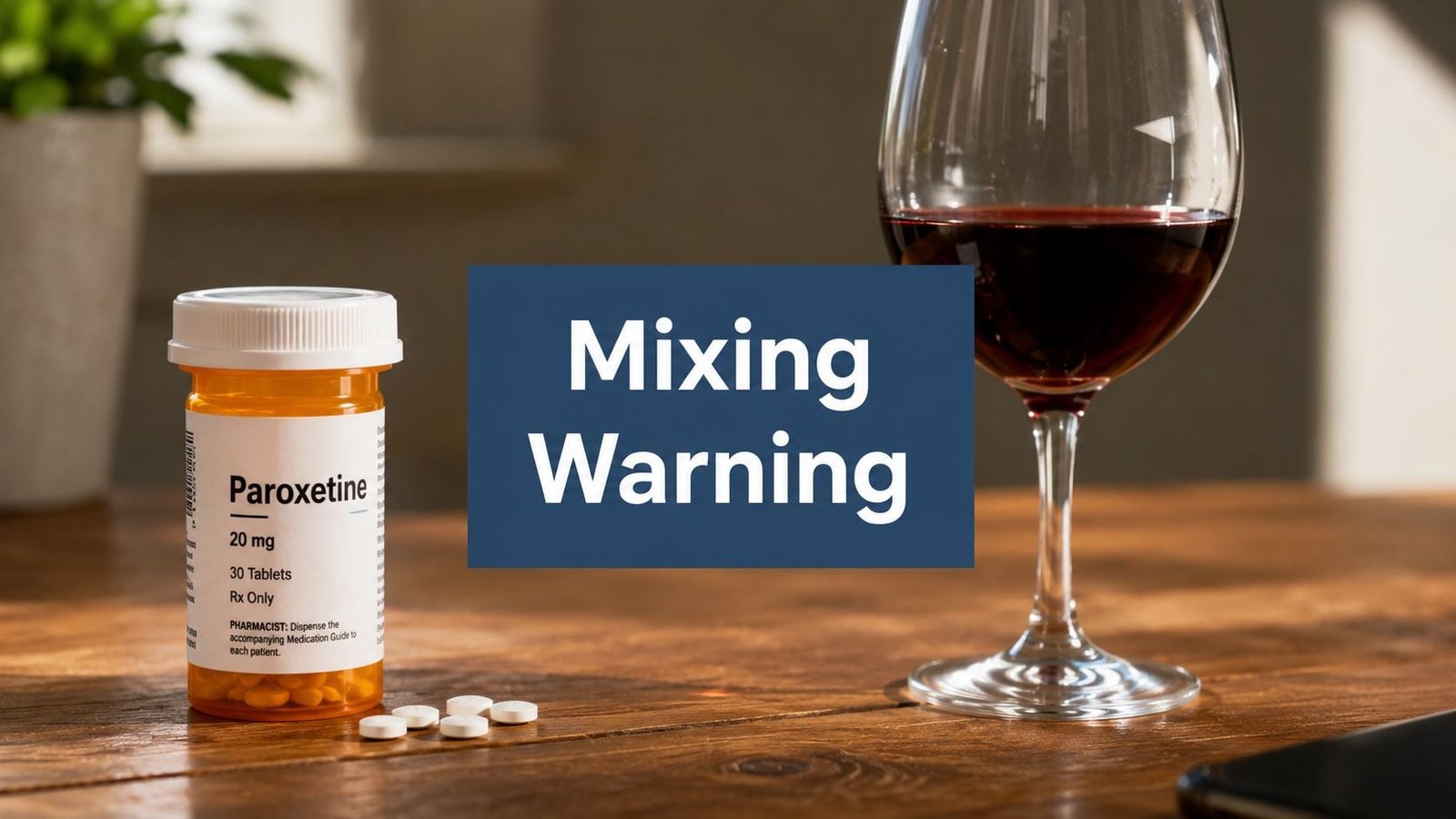
Mixing paroxetine (Paxil) and alcohol is not recommended. The combination amplifies sedation, impairs coordination, and can undermine your depression or anxiety treatment. Here is what our doctors want you to know before you decide to drink while taking this medication.
What Is Paroxetine and How Does It Work?
Paroxetine belongs to a class of antidepressants called selective serotonin reuptake inhibitors (SSRIs). It works by increasing serotonin levels in the brain, a neurotransmitter that regulates mood, sleep, and emotional well-being. This mechanism helps alleviate symptoms of depression, anxiety disorders, post-traumatic stress disorder (PTSD), and panic disorder.
The medication typically takes 4-6 weeks to reach its full therapeutic effect, during which patients may experience various side effects. Common initial side effects include drowsiness, dizziness, nausea, dry mouth, and changes in appetite. These effects often diminish as the body adjusts to the medication, but they’re important to consider when evaluating alcohol interactions.
Paroxetine is metabolized primarily in the liver, where enzymes break it down for elimination from the body. This process can be affected by other substances, including alcohol, which may alter how effectively the medication works. Understanding this basic mechanism helps explain why mixing paroxetine with alcohol can be problematic for many patients.
Why Mixing Paroxetine and Alcohol Is Risky
Both paroxetine and alcohol affect the central nervous system, but in ways that can dangerously amplify each other’s effects. When combined, they create enhanced sedation that goes beyond what either substance would cause alone. This amplified drowsiness can impair judgment, coordination, and reaction times to dangerous levels.
Alcohol can also interfere with paroxetine’s effectiveness in treating depression and anxiety. While paroxetine works to stabilize serotonin levels, alcohol disrupts neurotransmitter balance, potentially counteracting the medication’s therapeutic benefits. This interference can make it harder to achieve stable mood improvement, similar to concerns patients have when considering whether they can drink alcohol while taking gabapentin for other conditions.
The combination also increases the risk of serotonin syndrome, a potentially serious condition where too much serotonin accumulates in the brain. While rare, this condition can cause symptoms ranging from mild confusion to life-threatening complications. The risk becomes more pronounced when alcohol’s effects on brain chemistry interact with paroxetine’s serotonin-boosting properties.
How Alcohol Affects Paroxetine Treatment Outcomes
Alcohol is fundamentally a central nervous system depressant, which means it can worsen the very symptoms paroxetine is prescribed to treat. Regular alcohol consumption can exacerbate depression and anxiety, making it harder for patients to experience the full benefits of their antidepressant therapy.
The timing of alcohol consumption relative to paroxetine doses also matters. Alcohol disrupts sleep patterns, counteracting one of paroxetine’s beneficial effects on sleep quality and regulation. Poor sleep can trigger mood episodes and reduce the medication’s effectiveness, creating a cycle where treatment becomes less successful.
Liver metabolism plays a crucial role in how both substances are processed. Regular alcohol consumption can alter liver enzyme activity, potentially changing how quickly paroxetine is metabolized and eliminated from the body. This change can affect medication levels in the bloodstream, making it harder for doctors to predict therapeutic effects and adjust dosing appropriately. These metabolic concerns are similar to those patients face when wondering if they can drink alcohol while taking ozempic , where liver processing affects medication effectiveness.
Side Effects of Combining Paroxetine and Alcohol
The most immediate concern when mixing paroxetine and alcohol is extreme drowsiness and fatigue that can persist for hours. This sedation goes far beyond normal alcohol effects, creating dangerous impairment that affects driving ability, work performance, and general safety. Many patients report feeling “knocked out” or experiencing a hangover-like effect that lasts well into the next day.
Physical coordination becomes significantly impaired when these substances are combined. The risk of falls, accidents, and injuries increases substantially, particularly among older adults who may already have balance concerns. This impairment can occur even with small amounts of alcohol that might normally be well-tolerated.
Digestive issues often worsen when paroxetine and alcohol are combined. Both substances can cause nausea independently, but together they may trigger severe stomach upset, vomiting, and digestive distress. These effects can last longer and be more intense than typical alcohol-related nausea.
Perhaps most concerning is the heightened risk of suicidal thoughts and behaviors, especially in younger adults under 25. Alcohol can amplify the emotional volatility that sometimes occurs during the early weeks of antidepressant treatment, creating a dangerous combination that requires immediate medical attention if warning signs appear.
Paroxetine vs. Other Antidepressant-Alcohol Interactions
When comparing paroxetine and alcohol risks to other antidepressants, paroxetine falls into a moderate-risk category. While not as dangerous as MAOIs or tricyclic antidepressants, paroxetine has stronger sedating effects than some other SSRIs when combined with alcohol. This makes caution especially important for anyone taking Paxil.
Unlike some patients who might wonder about interactions when they drink alcohol while taking chantix for smoking cessation, paroxetine users face ongoing daily medication interactions rather than short-term treatment concerns. The chronic nature of antidepressant therapy means these interaction risks persist as long as the medication is taken.
Some newer antidepressants like bupropion may have different risk profiles, but switching medications solely to accommodate alcohol consumption is rarely recommended. The decision to change antidepressants should be based on therapeutic effectiveness and overall health considerations, not just alcohol compatibility.
Paxil and Alcohol: Practical Safety Guidance
If you take Paxil (paroxetine), understanding the practical day-to-day rules around alcohol can help you stay safe and get the most from your treatment. The guidance below is based on common clinical recommendations.
Complete avoidance is the safest choice
Most doctors advise patients on paroxetine to avoid alcohol entirely. Because both substances affect the central nervous system, even one or two drinks can cause stronger sedation than you would normally experience. This effect is unpredictable and can vary from day to day depending on your dose, how long you have been on the medication, and your individual metabolism.
If you choose to drink
Some patients on stable, long-term paroxetine therapy choose to have an occasional drink. If that applies to you, a few steps can reduce your risk. Keep any drinking to a single standard drink, taken with food. Avoid drinking on days when you feel unusually tired, anxious, or emotionally low, since those are the times when the combination is most likely to make things worse. Never drive or operate heavy machinery after combining Paxil and alcohol, even if you feel fine in the moment.