Fibromyalgia is a risk factor for opioid, cannabis, and alcohol use disorders.

Fibromyalgia, Pain, and Substance Use Disorders Key points Fibromyalgia affects between 4 and 10 million and 60 million people suffer from > 3months of pain Opioid, Cannabis, and Alcohol Use Is Particularly Risky Self-Medication in Pain This Is Especially True in FM’s nociplastic pain- brain pathways involved in FM are also involved in addiction. Fibromyalgia and chronic pain create a “fertile breeding ground” for self-medication and iatrogenic addiction. . Fibromyalgia involves abnormal pain processing; the brain struggles to turn off pain signals. Many brain pathways involved in fibromyalgia are also involved in addiction.…

Read More

First new fibromyalgia drug in 15 years, Tonmya (cyclobenzaprine HCl) gains FDA approval and hits pharmacy shelves

In a milestone moment for chronic pain management, Tonix Pharmaceuticals announced on August 15, 2025, that its novel sublingual therapy Tonmya has received approval from the U.S. Food and Drug Administration (FDA) – marking the first new drug for Fibromyalgia in more than 15 years. The medication is now commercially available by prescription in U.S. pharmacies, offering new hope to the roughly 10 million American adults affected by this debilitating condition. A first-in-class, non-opioid approach Tonmya represents a new therapeutic class: a non-opioid, once-daily sublingual tablet designed for bedtime use.…

Read More

Where are the new drugs for fibromyalgia?

With no existing cure for fibromyalgia, a chronic pain syndrome, current treatments focus on managing the symptoms like pain, fatigue and poor sleep, with exercise being a key part of the recommendations. Otherwise, the only solutions available are cognitive therapies and antidepressants, due the variability of symptoms from patient to patient. The only FDA-approved drugs to treat fibromyalgia are antidepressants duloxetine (Cymbalta) and milnacipran (Savella), and antiepileptic pregabalin (Lyrica), and drug discovery efforts have had limited success in recent years.  The 2024 FDA fast-track ruling on Tonmya (cyclobenzaprine HCl sublingual tablets) has…

Read More

Effectiveness of Dry Needling Adjuvant to Selective Serotonin Reuptake Inhibitors Versus Trigger Point Injection for Pain Management in Fibromyalgia

Background: Fibromyalgia (FM) is a chronic condition characterized by widespread pain, fatigue, and mood disturbances. Management often involves pharmacological and non-pharmacological interventions, but optimal treatment strategies remain unclear. Objective: To compare the effectiveness of dry needling combined with selective serotonin reuptake inhibitors (SSRIs) versus trigger point injections for pain management in fibromyalgia patients. Methods: A randomized controlled trial was conducted with 42 fibromyalgia patients. Participants were randomly assigned to Group A (dry needling with SSRIs) or Group B (trigger point injections). Pain, depression, and fibromyalgia impact were assessed using the Visual Analog Scale…

Read More

A New Blood Test Could Make Diagnosing Fibromyalgia Much Easier

Once dismissed by many clinicians, it is now estimated that as much as six percent of the world’s population has fibromyalgia, a complex disease in which the body is affected by pain in the joints and soft tissue. The pain may be mild to severe, though it does not damage bones or joints. Patients may also have sleep trouble, headaches, restless legs, or depression and anxiety. These symptoms can be seen in many other common disorders that affect the joints like arthritis and lupus. Diagnosing fibromyalgia can therefore be challenging, and…

Read More

How many have a hard time taking a shower? Are you extremely exhausted afterwards?

Many people living with Fibromyalgia report that something as simple as taking a shower can feel like a full-body workout. If you’ve ever stepped out of the shower feeling completely drained, shaky, or even in more pain than before—you are definitely not alone. Here’s a detailed look at why this happens and how common it is: 🌿 How Common Is Shower Exhaustion? While exact numbers vary, studies and patient reports suggest that a large percentage (often 60–80%) of people with fibromyalgia experience post-exertional fatigue from basic daily activities—including showering. In…

Read More

Dry eyes and mouth due to fibromyalgia

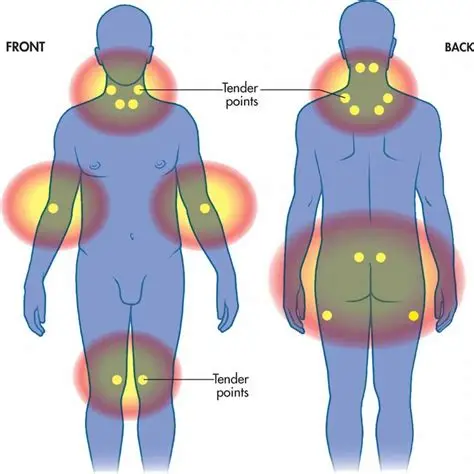
Dry eyes and a dry mouth are surprisingly common complaints among people living with Fibromyalgia. While fibromyalgia is best known for widespread pain, fatigue, and tender points, it can also affect the body in ways that go beyond muscles and joints—including how your eyes and mouth stay hydrated. Understanding why this happens and how to manage it can make a big difference in daily comfort and quality of life. One of the main reasons people with fibromyalgia experience dryness is related to dysfunction in the Autonomic Nervous System. This system…

Read More

Another major contributor to upper-body pain in fibromyalgia is persistent muscle tension, especially in the neck, shoul..

Another major contributor to upper-body pain in Fibromyalgia is persistent muscle tension, especially in the neck, shoulders, and upper back. This tension is not just a simple physical issue—it is deeply connected to how the nervous system behaves in people living with fibromyalgia. The body tends to remain in a heightened state of alertness, almost like it is constantly bracing for stress or danger. As a result, muscles stay partially contracted for long periods, even when there is no real need. Over time, this continuous contraction reduces blood flow to…

Read More

What is one symptom that people NEVER understand about fibromyalgia??

One symptom people NEVER truly understand about fibromyalgia is fatigue. Not just “tired.” Not just “I didn’t sleep well.” It’s a bone-deep exhaustion. The kind that sleep does not fix. The kind that rest does not touch. You wake up tired. You go to bed tired. You live tired. It feels like your body is made of lead. Every movement takes effort. Even small tasks feel heavy. Getting out of bed can feel like climbing a mountain. Brushing your hair can feel like a workout. Holding a cup can feel…

Read More

After Chronic Pain Now that it’s chronic… People don’t want To hear about it anymore.

Writing After chronic pain becomes a constant companion, something changes in the world around you. At first, people listen. They ask questions. They show concern. They offer help. But as time passes, the story gets old for them. Not for you. Never for you. For you, the pain is still fresh every morning. Still sharp. Still exhausting. Still real. But for others, it becomes background noise. A repeated song they no longer want to hear. They stop asking, “How are you?” Or if they ask, they expect a different answer.…

Read More