16 Ways to Support a Spouse Who Has Fibromyalgia

16 Ways to Support a Spouse Who Has Fibromyalgia Fibromyalgia is a chronic illness that causes devastating chronic pain. With this disease, knowing how to support your spouse or loved one can be very difficult. They look the same, but you cannot touch them at times, they are exhausted, and often they are depressed. There are things you can do to help out, to give support, and to make life easier for your spouse with fibromyalgia. Things you can do: 1. Help around the house. Take over the household chores that…

Read More

Fibromyalgia, Depression and Anxiety

By Dr. Ananya Mandal, Fibromyalgia is characterized by widespread spontaneous pain. There are several associated symptoms that include fatigue, lack of refreshing sleep, cognitive impairments, abdominal discomfort, and headache. Depression and anxiety disorders are another associated symptom of fibromyalgia. Fibromyalgia and depression Depression is prominent in fibromyalgia patients with the risk of getting depressive symptoms at least once being about 90% and getting major depressive disorder (MDD) being about 62–86% in fibromyalgia patients. It has been found that at any point in time both depression and fibromyalgia occur concurrently in at…

Read More

How to Treat Skin Rashes in Fibromyalgia

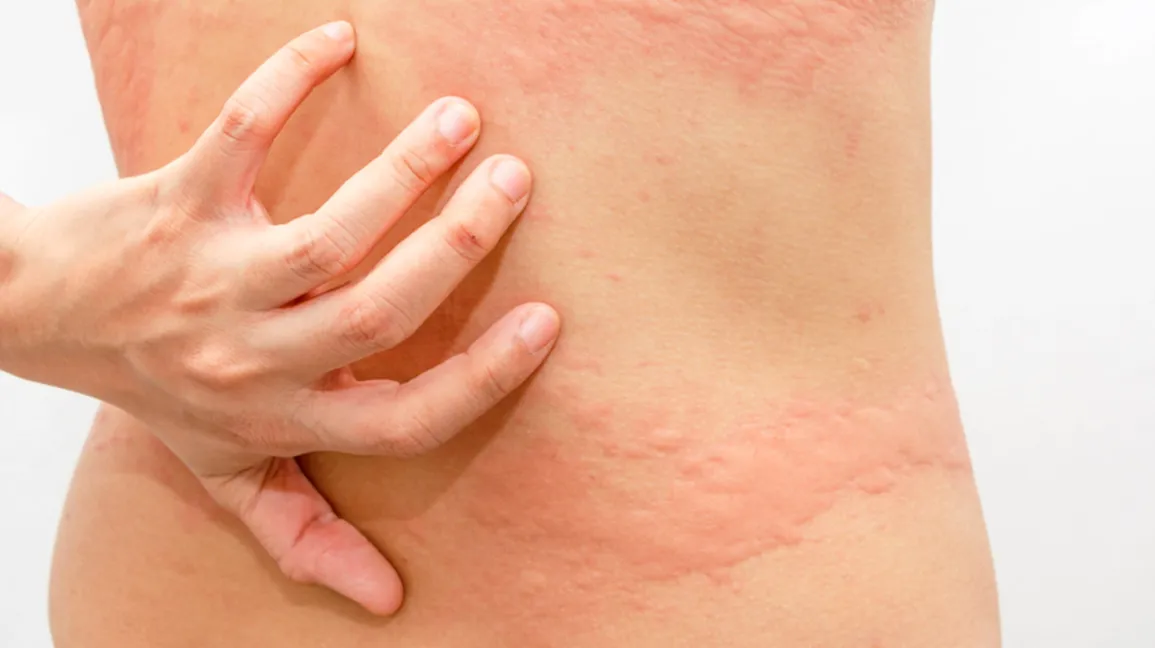
Overview If you’re living with fibromyalgia, you may expect widespread muscle pain and other symptoms like digestive problems, sleepiness, and brain fog. These, however, aren’t the only symptoms linked with this condition. Some people diagnosed with fibromyalgia also develop a skin rash. These rashes can vary in size and appear anywhere on the body. They’re most often due to medication side effects and can worsen with scratching. Some fibromyalgia rashes are so sensitive that it becomes difficult to wear certain clothes or sleep. But relief is possible. Here’s what you need to…

Read More

3 Fibromyalgia Skin Symptoms and How to Manage Them

by Robin dix Fibromyalgia has so many issues affiliated with it, and one of those issues is related to the health and condition of our skin. For those who are sensitive to clothing touching their skin, rashes and other issues just exacerbate the discomfort.According to Healthy Plan, some of the skin issues related to fibromyalgia include rashes, burning and tingling, and dry skin. Our skin is our largest organ and when our body is reacting to something or detoxing, it’s bound to affect our skin in various ways.MORE: Why pets are great if you have fibromyalgia. RashesFibromyalgia…

Read More

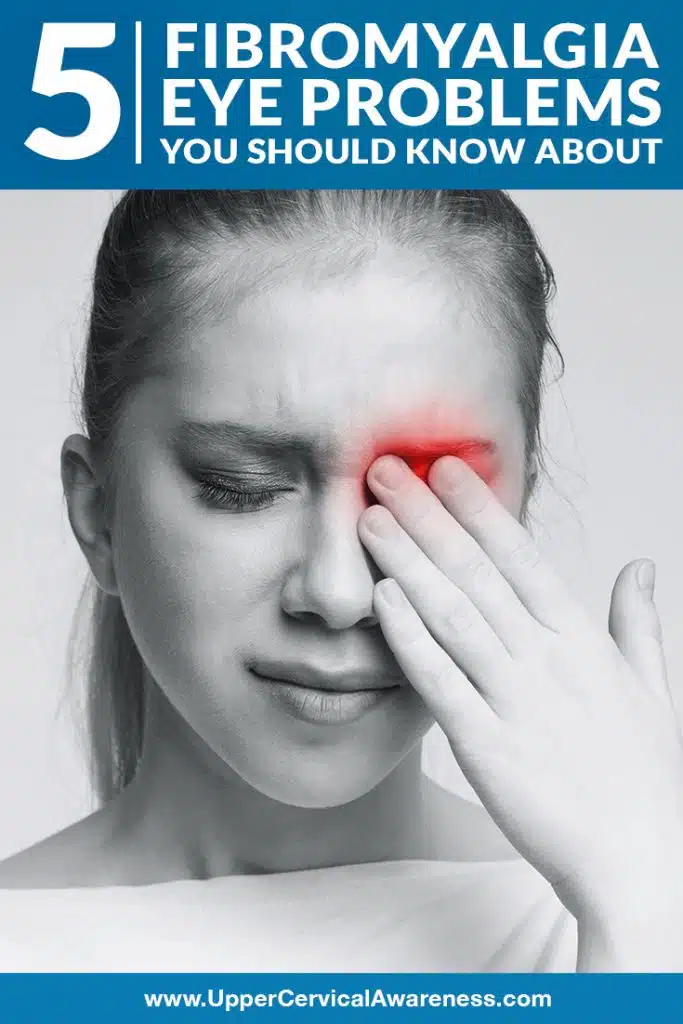
5 Fibromyalgia Eye Problems and Symptoms You Should Know About

Fibromyalgia eye problems? What is fibromyalgia best known for? The first thing just about anyone thinks of when they hear the word fibromyalgia is the chronic pain associated with it. However, there are many other fibromyalgia symptoms to be aware of, and we are going to focus on one in particular today. Fibromyalgia eye symptoms can become chronic and be a debilitating part of the condition. What should you know about the eye symptoms of fibromyalgia? Is there a natural way to find relief from the symptoms of this condition that affects millions of…

Read More

How Hair Loss Affects Those of Us with Fibromyalgia

BY ROBIN DIX IN COLUMNS, THROUGH THE FOG – A COLUMN BY ROBIN DIX. I have fibromyalgia (FM) and an underactive thyroid, so hair loss is a real concern of mine. For that reason, I have chosen to keep my hair very short. We’re talking #2-on-a-hair-trimmer short. After my first buzz cut, I wouldn’t go out anywhere without a hat because I was very self-conscious. Now I’m pretty comfortable with my look. Hair loss is not an uncommon phenomenon for those of us with fibro. Are you noticing more hair on your hairbrush, pillow, or…

Read More

Fibromyalgia and Hair Loss

Posted by Belgravia Centre Writer In this article: Hair Loss Fibromyalgia is a disorder that possibly afflicts up to 1.79 million people the UK, and an estimated 1 in 20 people worldwide. It causes a wide range of symptoms, but the most significant is chronic pain distributed all over the patient’s body. Other symptoms include irritable bowel syndrome, insomnia, headaches and muscle stiffness. Another symptom, albeit less common than the others, is hair loss. As journalist Adrienne Dellwo, who was diagnosed with fibromyalgia in 2006, explains, “Every time I washed my hair, the…

Read More

16 Things People with Fibromyalgia Need to Stop Doing

Welcome! It looks like you might be new here, so I wanted to take a moment to tell you a little about me and my blog. My name is Julie Ryan and I live with Fibromyalgia. I’ve chosen to live positively, to fight back with diet and lifestyle changes and it’s made a huge difference for me. The difference between living all my days in bed, and actually LIVING. I hope you’ll keep reading and subscribe to my Newsletter to make sure you don’t miss a post. Thanks for visiting!*BTW, just a heads…

Read More

Does anyone have their eyes glued together in the morning even though you cleaned them during the night?

Fibromyalgia, a chronic pain based syndrome that affects patient’s tendon, muscle, and skeletal functions today, can actually work its way into the eye, creating what are known as fibromyalgia eye problems. When we think of fibromyalgia, we don’t need to think of the sensory organs, instead focusing on the discomfort that comes with movement and activity. Fibromyalgia Eye Problems Did you know that the eye relies on six main muscles to control its movement today? Yes, your eyes don’t move on their own. Since this condition impacts our nervous system,…

Read More

Fibromyalgia Is An Autoimmune Disease?

Fibromyalgia is a condition that causes chronic pain throughout the body, fatigue, anxiety, and nerve dysfunction. Today, it affects the life of 4 million people in the US alone and, if left untreated, it can lead to disability. Given that there is no definitive cure for fibromyalgia, treatments primarily aim to ease its symptoms. Despite how common and debilitating this condition is, its “invisible” nature has led to a delay in the research on its causes, symptoms, and prognosis. Certainly, with clinical trials only starting in the 1980s, a lot is yet to be understood…

Read More