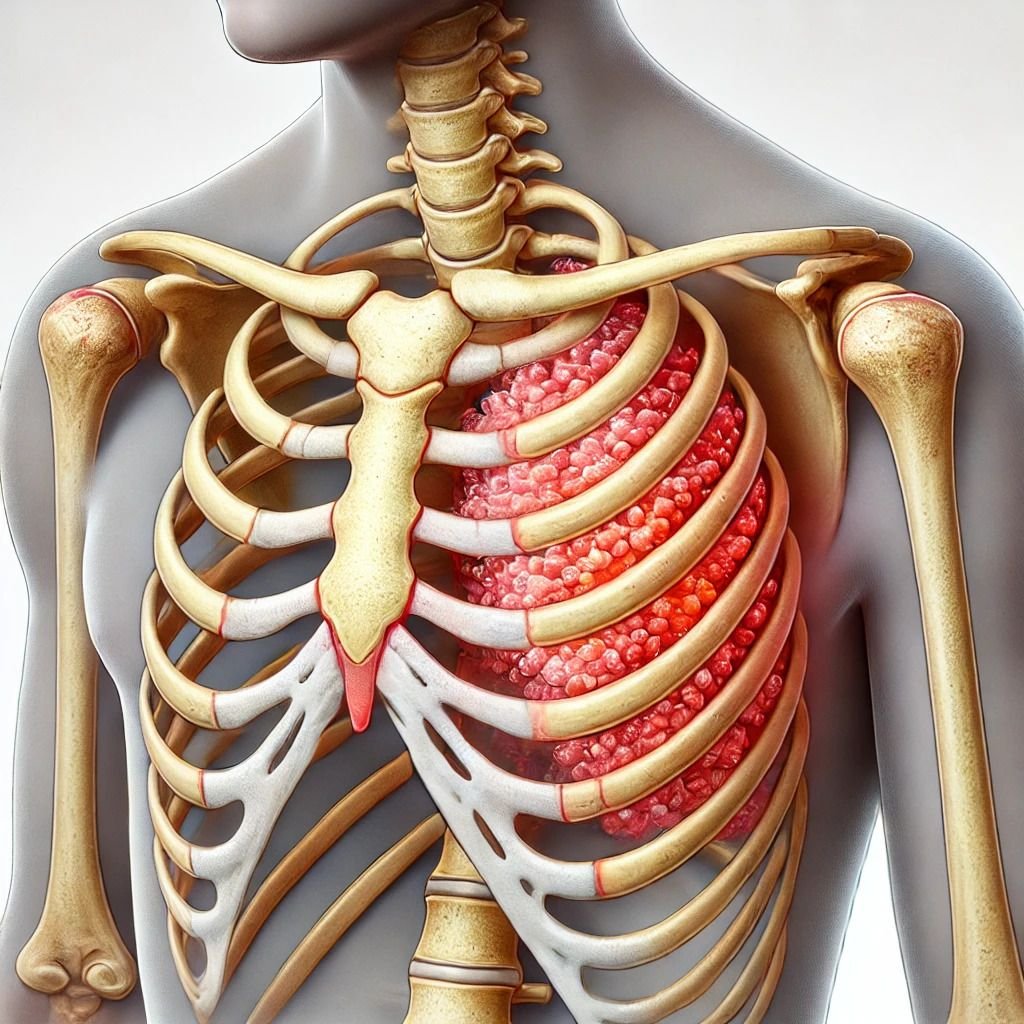
Anyone else feel like people don’t think Fibromyalgia is real?
This is my first foray into a support group so please bare with me. I was diagnosed with Fibromyalgia in August 2024 at Mayo Clinic. I had several weird symptoms that mimicked Sarcoidosis (which I was diagnosed by Mayo in 2010 but had gone into remission). However, many of the symptoms are the same and I was run through the works at Mayo and it was determined that it was Fibromyalgia. I was relieved to finally have a diagnosis to explain the chronic fatigue, lack of desire to engage in activities that used to bring happiness, fairly consistent pain, trouble sleeping and waking up in pain in the middle of the night, restless leg, anxiety, depression, fibro fog, etc. When I got home, my primary care and the chiropracter I have seen forever said, “that is what they diagnose you with when they can’t figure out what is wrong. It’s a catch all”. This instantly discredited the diagnosis and made me doubt it because these are two practitioners I trust. After a year, I am still having symptoms and still trying several therapies (apps, breathing, mental health resources) and even added back a medication or two from the Sarcoidosis days.
I know there are people who suffer from this way more severely than I do. I am able to do most things I want and manage to push through the painful sleeping to be at work and function as best as I can, but I know I’m not lazy and this is not normal. For all of the things I can do I am very grateful. What I am struggling with is understanding the disease and what is just old age (I’m 54) or too many miles on the body vs what is Fibromyalgia impacting.
If anyone else had a similar experience of having your diagnosis dismissed by others, please share what you have done or are doing to get better physically and emotionally, and how you wrapped your mind around reality, regardless of what your reality has become.
Thanks to anyone who has time to respond and I appreciate the opportunity to learn from others.
kselliott22, Yep. I hear this alot and so I am careful who I share it with.
So many things affect Fibro and it is very misunderstood. I have heard a new med is coming out the end of the
year that has been approved by the FDA called Tonmya. It is not an opioid and is supposed to improve pain, fatigue and sleep. I cannot tolerate any of the meds given for Fibro, so basically I am on nothing except Tylenol and an occasional Flexeril. Soaking in Epsom Salts, Voltaren Gel and Heat Packs helps at times.
Praying for you. I empathize and understand. Blessings.
No fibromyalgia is not a “fake disease” or is a misdiagnosis for something else
Is anyone else completely sick and tired of hearing the same two things? Especially from people who are severely uneducated and don’t know a single thing about it. I’m tired of people telling me that it’s a misdiagnosis for an autoimmune disease or EDS. It is not, I have had a full blood work up and I have been tested for EDS both were all normal. And it is a real disease. I was tested for it and I had to meet a certain list of criteria to be diagnosed, most people do not understand that it is a legitimate neurological disorder that can be tested for and isn’t always a bandaid term for something doctors can’t figure out.
Fibromyalgia: A Very Different Disease
Rheumatologists, the specialists many people with fibromyalgia see, treat people with diseases of the joints and muscles and immune problems. These diseases run the gamut from many types of arthritic disorders to autoimmune diseases such as lupus and Sjogren’s syndrome to gout and hard to classify disorders such as fibromyalgia (FM).
[fright]
[/fright]A recent survey of symptom patterns in rheumatological patients seen over a year at an Israeli hospital provided an opportunity to see where FM patients fit into this mix.
The mixture included some heavy duty illnesses – some of which can kill and many of which are painful, as well as”little” fibromyalgia – a disease that still gets little respect from the NIH and many rheumatologists. Let’s see how FM stacked up against some heavyweights.
The Study
First, the patients were broken up into 10 categories: polymyalgia rheumatic, psoriatic arthritis, gout, systemic lupus erythematosus, rheumatoid arthritis, the spondyloarothopies, the inflammatory rheumatic disorders, the non-inflammatory rheumatic disorders, osteoarthritis, and fibromyalgia.
Then age, gender, disease duration, location of pain, pain level (VAS), fatigue level (VAS), and functional level (VAS) were measured.
Results
Female Dominance Again
With regard to age the survey revealed two subsets of patients; a middle-aged subset encompassing most of the disorders, and an older subset consisting of people with gout, polymyalgia rheumatica, and osteoarthritis.
With the exception of gout, psoriatic arthritis and the spondlyloarthropathies, females dominated the rheumatic diseases. The highest percentage of females occurred in fibromyalgia (86%) and polymyalgia rheumatic (94%).
Conclusions
In the end survey suggested that compared to fibromyalgia, some pretty serious illnesses are relative walks in the park symptom wise. Take lupus. Lupus is a serious disease which can kill you. For me, lupus would be pretty high on my list of diseases I really would rather not have, yet the lupus patients at this hospital rarely experienced widespread pain and reported about half the pain, fatigue and problems with functioning that fibromyalgia patients did.
The findings were reminiscent of a study Health Rising reported on recently where people with chronic fatigue syndrome (ME/CFS) essentially trounced people with major chronic illnesses when it came to quality of life and functionality.
These are not races anyone wants to win but they are races the medical community should pay attention to.
Fibromyalgia: A Very Different Disease
Founder of Health Rising and Phoenix Rising
Rheumatologists, the specialists many people with fibromyalgia see, treat people with diseases of the joints and muscles and immune problems. These diseases run the gamut from many types of arthritic disorders to autoimmune diseases such as lupus and Sjogren’s syndrome to gout and hard to classify disorders such as fibromyalgia (FM).
[fright]
[/fright]A recent survey of symptom patterns in rheumatological patients seen over a year at an Israeli hospital provided an opportunity to see where FM patients fit into this mix.
Visual Analogue Scales of Pain, Fatigue and Function in Patients with Various Rheumatic Disorders Receiving Standard Care. Ofer Levy MD, Mirit Amit-Vazina MD, Refael Segal MD and Moshe Tishler MD. Department of Medicine B, Rheumatology Unit, Assaf Harofeh Medical Center. IMAJ • VOL 17 •
The mixture included some heavy duty illnesses – some of which can kill and many of which are painful, as well as”little” fibromyalgia – a disease that still gets little respect from the NIH and many rheumatologists. Let’s see how FM stacked up against some heavyweights.
The Study
First, the patients were broken up into 10 categories: polymyalgia rheumatic, psoriatic arthritis, gout, systemic lupus erythematosus, rheumatoid arthritis, the spondyloarothopies, the inflammatory rheumatic disorders, the non-inflammatory rheumatic disorders, osteoarthritis, and fibromyalgia.
Then age, gender, disease duration, location of pain, pain level (VAS), fatigue level (VAS), and functional level (VAS) were measured.
Results
Female Dominance Again
With regard to age the survey revealed two subsets of patients; a middle-aged subset encompassing most of the disorders, and an older subset consisting of people with gout, polymyalgia rheumatica, and osteoarthritis.
With the exception of gout, psoriatic arthritis and the spondlyloarthropathies, females dominated the rheumatic diseases. The highest percentage of females occurred in fibromyalgia (86%) and polymyalgia rheumatic (94%).
[/fleft]Joint pain was relatively rare (8.5%) in FM but widespread pain was rampant (93%). In fact, FM stuck like a sore thumb (pun intended) in this category. The vast majority of people with rheumatological diseases experience localized pain; few experience little if any widespread pain. The disease with the next highest percentage of widespread was lupus – where 20% of the patients experienced it.
FM was a disease alone in this category. It wasn’t the only category it would stick out in, though.
[fleft]
[/fleft]FM patients rated their pain intensity higher than did the patients of any of the other diseases. That was quite a feat considering that FM was matched up against the deformed joints of people with rheumatoid arthritis, the swollen and notoriously painful fingers and toes of people with gout, and the inflamed blood vessels and connective tissue problems of vasculitis and systemic sclerosis.
The average pain score – 87.5 out of 100 – for people with fibromyalgia couldn’t get much higher. The next highest pain score (osteoarthritis) was 20 points lower. According to this study people with fibromyalgia were in 30% more pain than osteoarthritis patients. Gout, with its 39.4 score is hardly in the discussion. FM patients were in more than double the pain than gout patients. Either gout is a less painful disease or it’s being better controlled or both. However it’s happened many, many FM patients would be very happy to be in as much pain as people with gout.
Fatigue Levels- Check
The fibromyalgia patients also handily won the “who has the most fatigue?” race. Topping the charts at a remarkable 91.3 score out of 100, their fatigue levels far outdistanced that of the next closest group (69.9) – the non-inflammatory rheumatic disorders.
Functioning – Check
The FM patients weren’t done, though. They also easily won the “who’s disease inhibits their functioning the most” contest. Once again, the race wasn’t close. The FM patients scored about as high as you can get (85.2) easily outpacing the second-place finisher – osteoarthritis (65.9).
‘
Consistently Bad
Fibromyalgia was also the most consistently bad disease to have. Pain, fatigue and functionality scores were more variable in all the other diseases. The fact the FM scores were pretty tightly bunched suggested that most FM patients had pretty high levels of pain and fatigue.
This may reflect a lack of good treatment options. The study indicated that half the FM patients were treated with NSAIDs, a third had no treatment, and the remaining patients were treated with physical therapy, analgesics and tricyclic antidepressants. It’s no wonder that FM patients at this hospital had the second lowest number of return visits
Conclusions
In the end survey suggested that compared to fibromyalgia, some pretty serious illnesses are relative walks in the park symptom wise. Take lupus. Lupus is a serious disease which can kill you. For me, lupus would be pretty high on my list of diseases I really would rather not have, yet the lupus patients at this hospital rarely experienced widespread pain and reported about half the pain, fatigue and problems with functioning that fibromyalgia patients did.
The findings were reminiscent of a study Health Rising reported on recently where people with chronic fatigue syndrome (ME/CFS) essentially trounced people with major chronic illnesses when it camel to quality of life and functionality.
These are not races anyone wants to win but they are races the medical community should pay attention to.
A Different Type of Disease
The findings help us understand why rheumatologists have had such difficulty embracing fibromyalgia. FM doesn’t look like most of the diseases they deal with. It doesn’t produce the deformed knuckles found in rheumatoid arthritis, the swollen toes seen in gout, the eerie looking blood vessels that occur in vasculitis or the altered x-rays of osteoarthritis patients. It’s basically invisiible to all but those who suffer from it.
fright]
[/fright]FM, however, produces more intense symptoms that any other rheumatological disease. It’s much harder on people than the other diseases rheumatologists treat.
The widespread nature of the pain in FM suggests that it’s being produced differently than other rheumatological disorders. The evidence suggests that it alone is a central nervous system disorder.
It’s possible that a widespread disturbance, say, in the ion channels that transmit pain signals or some other systemic feature in the body is whacking the brain with pain signals in fibromyalgia. Given the widespread nature of the pain in FM, though, and the many other symptoms found in the disease, the focus at this point has to be the central nervous system (CNS). The is CNS one of the few organs able to cause such widespread symptoms and distress.
Even lupus, known as the great mimic for all the different organs it can attack, doesn’t begin to produce the kind of widespread distress seen in FM.
Wrong Home
These findings suggest fibromyalgia never really belonged in the rheumatological camp or in NIAMS (The National Institute of Allergy and Musculoskeletal Disorders) – which is essentially ignoring it – anyway. Where it and chronic fatigue syndrome (ME/CFS) belong and which diseases they are most closely allied is an important question.
ME/CFS and FM have traditionally been allied with diseases like IBS, GWS, TMJ, interstitial cystitis and mood disorders. We have to be wary of the fact, though, that symptoms can be generated in a plethora of ways. The so-called functional disorders mentioned above may not in the end be as closely aligned as we think.
The ability to do genetic analyses on plants has, for instance, in some cases upended hundreds of years of classification efforts based on plant morphology. It turned out that some plants that looked quite different ended up being close relatives. It’s possible that a tweak in the nervous system one way or the other could manifest itself as multiple sclerosis, ME/CFS/FM, Parkinson’s disease or some other disorder.
More recent studies suggesting that migraine may occur with greater frequency in ME/CFS and FM than any other diseases casts a new light on them. (Could migraine with its pain, stimuli problems, strange triggers and fatigue could be construed as a different kind of fast-moving and very intense FM flare?)
ME/CFS and FM’s place in the medical universe will ultimately be determined by research that uncovers the molecular roots of the diseases.
Fibromyalgia’s big problem right now in the research world is that it’s not clear where it fits. Studies into better funded pain causing diseases such as osteoarthritis, rheumatoid arthritis, lupus or low back pain may not tell us much about fibromyalgia. With FM funding in the dumps FM patients will probably have to hope that basic research efforts uncover something of value to them.
There may be some light at the end of the tunnel, though. The National Institutes of Health (NIH) rather begrudgingly recently stated that it will give “burden of illness” more priority in its funding decisions. If that’s so then FM with it’s high prevalence (11 million – U.S.) and very high rates of pain and fatigue and reduced functioning should be at the top of the list.