Fibromyalgia and Trochanteric Bursitis: How Pain Limits Your Movements
Fibromyalgia and trochanteric bursitis are two different conditions, but they can occur together and make daily life much more difficult. When both are present, simple activities such as walking, standing, climbing stairs, or sleeping on one side can become painful.
Fibromyalgia is a chronic pain disorder that affects the way the brain and nervous system process pain signals. People with fibromyalgia often experience widespread muscle pain, fatigue, poor sleep, and tenderness throughout the body.
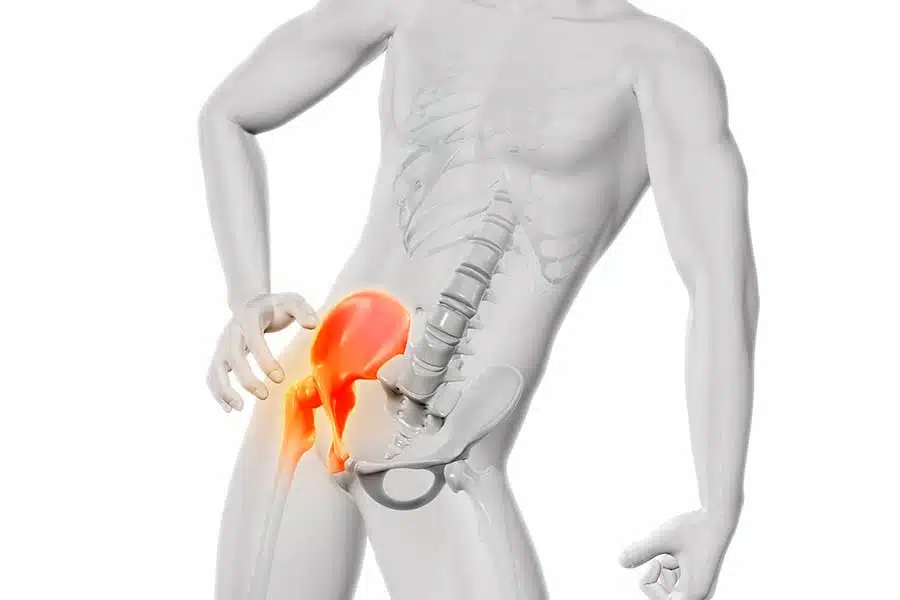
Trochanteric bursitis, also called greater trochanteric pain syndrome, is inflammation or irritation around the bursa located on the outside of the hip. This small fluid-filled sac helps reduce friction between bones, muscles, and tendons.
When fibromyalgia and trochanteric bursitis occur together, the pain can feel much stronger than expected. Fibromyalgia increases pain sensitivity, so even mild inflammation around the hip may feel severe.
Many people notice a sharp or burning pain on the outside of the hip. The discomfort may spread into the thigh or buttock and often becomes worse after walking, standing for long periods, or climbing stairs.
Sleeping can also become a challenge. Lying on the affected hip may trigger intense pain, causing repeated awakenings throughout the night. Poor sleep can worsen fibromyalgia symptoms, creating a difficult cycle.
Movement often becomes limited because every step feels uncomfortable. Some people begin to limp or avoid physical activity, which can gradually weaken the muscles supporting the hips.
Weak hip muscles can place additional stress on the joints and tendons. Over time, this may increase pain and reduce balance, making everyday movements more difficult.
Doctors diagnose these conditions through a medical history, physical examination, and sometimes imaging tests to rule out arthritis, fractures, or other hip problems.
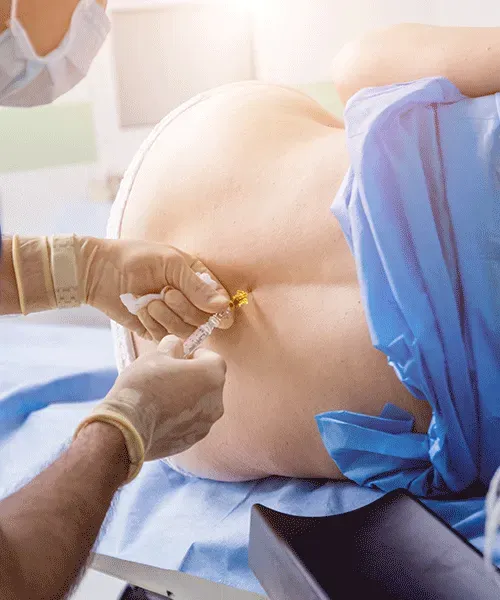
Treatment usually focuses on reducing pain and improving movement. A combination of gentle exercise, stretching, physical therapy, and appropriate medications may provide relief for many people.
Gentle strengthening exercises for the hips and core muscles can improve stability and reduce pressure on the painful area. It is important to increase activity slowly to avoid flare-ups.
Applying ice packs during painful episodes may help reduce inflammation around the hip. Some people also find warmth helpful for relaxing tight muscles caused by fibromyalgia.
Maintaining good posture and avoiding prolonged standing or sitting in one position may reduce stress on the hip joint. Small lifestyle changes often make a noticeable difference.
Supportive footwear and avoiding uneven surfaces can also help decrease pressure on the hips while walking. Proper body mechanics are important for preventing further irritation.
Stress management is another key part of treatment. Emotional stress can increase fibromyalgia symptoms, making hip pain feel even more intense.
A healthy sleep routine is essential. Better sleep can improve the body’s ability to cope with chronic pain and reduce fatigue during the day.
Nutritious food, staying hydrated, and maintaining a healthy weight can reduce strain on the hips and improve overall well-being.
Everyone experiences these conditions differently. What works for one person may not work for another, so treatment plans should be personalized with guidance from a healthcare professional.
Although living with fibromyalgia and trochanteric bursitis can be frustrating, many people improve with consistent care, patience, and gradual physical activity. Recovery is often a journey rather than a quick fix.
Remember: Fibromyalgia and trochanteric bursitis may limit your movements, but they do not define who you are. With the right treatment, gentle exercise, healthy habits, and ongoing support, it is possible to regain confidence, improve mobility, and enjoy a better quality of life. Stay hopeful, keep moving within your limits, and never give up