Losing weight with fibromyalgia can be a struggle, but it does’t have to be.
In the United States, there are at least five million adults who struggle with the debilitating disease of fibromyalgia. Many of these sufferers are also overweight or obese.
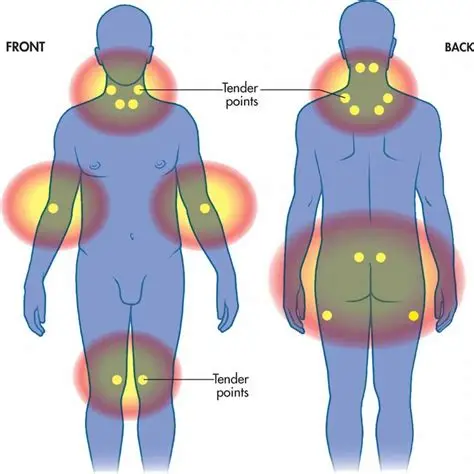
Often, being overweight or obese is a symptom of the disease itself. In other words, the chronic pain, muscle aches and stiffness associated with fibromyalgia make it a challenge to stay active, and it can be difficult to shop for and prepare healthy meals with these symptoms as well. Some sufferers even turn to stress eating and general overeating because of depression and other emotional symptoms related to the disease.
But if you struggle with fibromyalgia, its important to know that you can lose weight despite the symptoms you face. You just need to get the right help and adopt the right habits. This step-by-step guide will help you navigate a healthy and effective weight loss plan while also paying attention to and dealing with the symptoms of fibromyalgia.
Remember that you can reach your weight loss goals, even in the face of fibromyalgia.
Losing Weight With Fibromyalgia: The Step-by-Step Guide
1. Treat the Pain As Best As You Can
Pain and fatigue will be the two biggest things that hold you back from your weight loss progress, and pain should be treated first because it can often be the cause of additional fatigue. There are several ways to treat fibromyalgia pain.
First, remember that it’s best to treat pain with non-medication solutions. Physical therapy and massage can work wonders for many sufferers. It can strengthen your muscles and increase your range of motion. Your physical therapist may be able to teach you some self-massage methods as well.
Next, consider trying biofeedback. This is a process that helps you monitor and control your own body’s functions. It is a taught procedure that shows you how to notice changes in your body’s heart rate, breathing and pain levels in order to reduce muscle tension and pain on your own.
Acupuncture is another option for pain improvement. This procedure can improve blood flow and alter neurotransmitter levels in your brain.
Finally, if you haven’t already, talk to a reputable doctor about your options. Depending on your pain levels, they may prescribe medications to reduce symptoms. Just be sure to always follow the guidelines from your doctor. Some medications can only be taken in the evening once you’re in for the night because of associated symptoms.
2. Treat Depression and Any Emotional Symptoms
Depression is a common symptom of fibromyalgia. This is often because patients feel guilty for being so inactive and constantly in pain. It is essential to treat depression, anxiety and other mental and emotional symptoms before moving on to the other steps for weight loss because these symptoms can often hold patients back from attempting to eat right and exercise for weight loss.
First, many people who suffer from fibromyalgia will benefit from cognitive behavioral therapy or CBT. This form of therapy helps patients to identify dysfunctional patterns of thinking and develop new routines and techniques that can take care of negative thoughts.
Meditation is another way to calm the mind and release stress and anxiety. A racing mind, constant negative thoughts and other nonproductive thinking patterns are often the result of our fast-paced world. Meditation and daily mindfulness can help you slow down and clear your head.
In some cases, antidepressants may be prescribed to help reduce depression and increase the hormone, serotonin. Many of these treatments for depression can also help with pain.
3. Get Help for Fatigue, Insomnia and Other Sleep Problems
Chronic fatigue and other sleep problems are associated with fibromyalgia as well. Many of the remedies for pain and depression should help with fatigue, but the problem is that fatigue can often cause individuals not to partake in these habits because they’re just too tired.
That’s why treating fatigue is actually so essential, though, and the way to do it is to start slowly and work in small increments. If you would like to meditate, try doing it for just 5 minutes at a time. If you would like to try some self massage techniques, just do one for a few minutes instead of trying to do them all over the course of an hour.
Treating fatigue can help you treat the other symptoms of fibromyalgia, but treating the other symptoms of fibromyalgia will help you treat fatigue as well. In other words, you need to do everything at once, and you’ll begin to see progress in all areas. The key is to go slowly.
4. Learn How to Eat Healthy to Reduce Symptoms
Eating a healthy and nutritious diet is one of the best ways to reduce the symptoms of fibromyalgia. Often times, pain symptoms are related to inflammation, for example, and inflammation is greatly influenced by the foods that you eat. In addition, junk foods tend to make anyone feel crummy, so the sooner you can cut those out, the better.
5. Start Cutting Calories to Drop Fat
You’ve begun eating healthy, and this switch has likely already make some positive changes in your weight. Now, it’s time to take control of your caloric intake.
In order to properly lose weight at a healthy rate, you need to cut approximately 500 calories from your diet every day. But to know what your target caloric intake should be, you first need to know how many calories you burn on a regular basis. This number is called your AMR or active metabolic rate. You can calculate this number by finding a AMR calculator online that will take into consideration your gender, age, height and activity level.
From your AMR, subtract 500 calories, and this should be your target caloric intake on a daily basis. Reducing your diet by 500 calories per day will help you to lose at least one or two pounds each week.